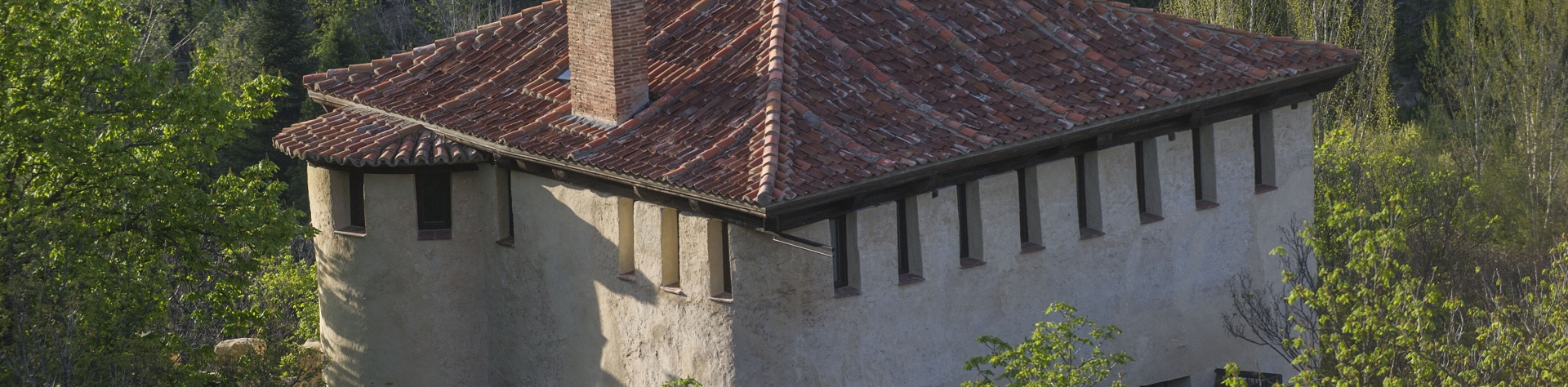
Nine centuries of historyThe Gate where we are now is already mentioned in 1122, being called ‘de Rodrigo Ordóñez’ (Rodrigo Ordóñez Gate). At that time, the gate had a single storey that reached the p...
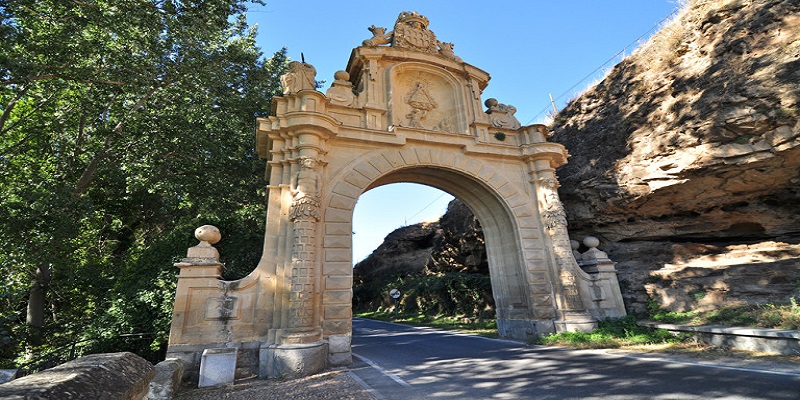
A monumental arch built around 1700. On the outside is a statue of Saint Ferdinand; on the inside, a relief depicting the miracle of María del Salto, which tells the story of a young Jewish woman’s co...
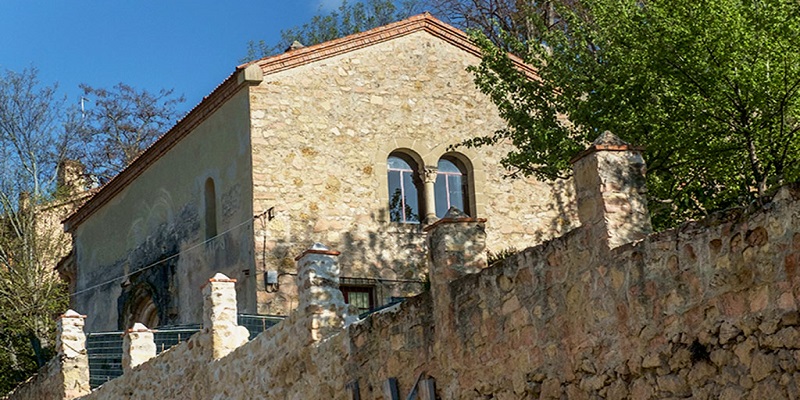
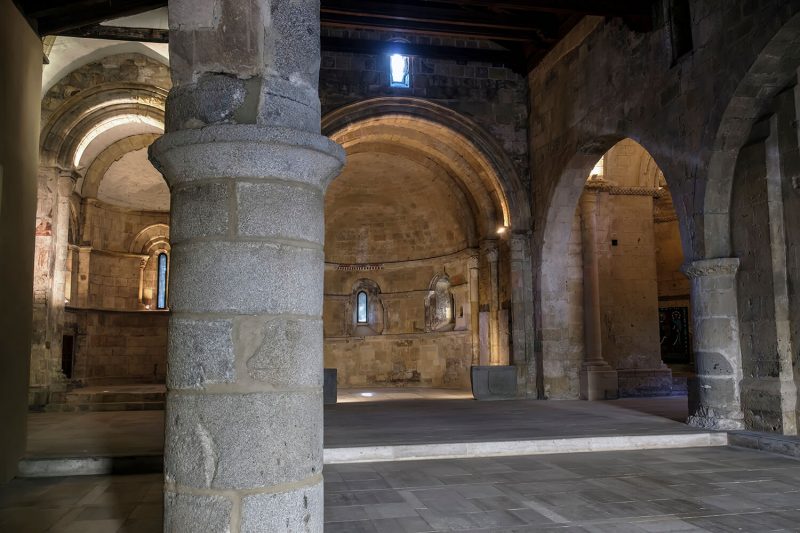
12th century. A unique Romanesque church dedicated to San Pedro ad Vincula, notable for its original bell tower topped with corbels, which eventually gave the church its name.Its bell used to sound th...
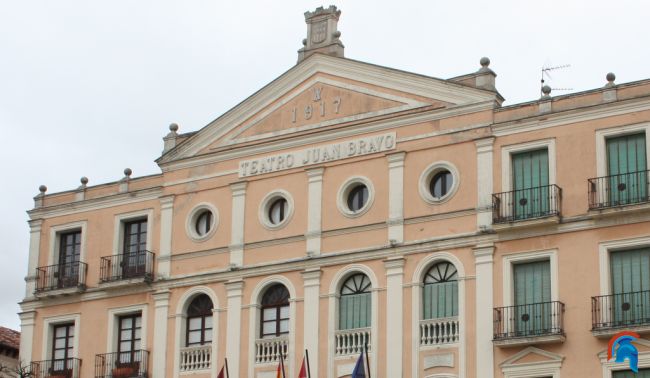
Designated a Site of Cultural InterestConstruction of the theatre began in 1915. Its layout follows the style of Italian Baroque theatres, comprising three successive spaces: the rectangular foyer, th...
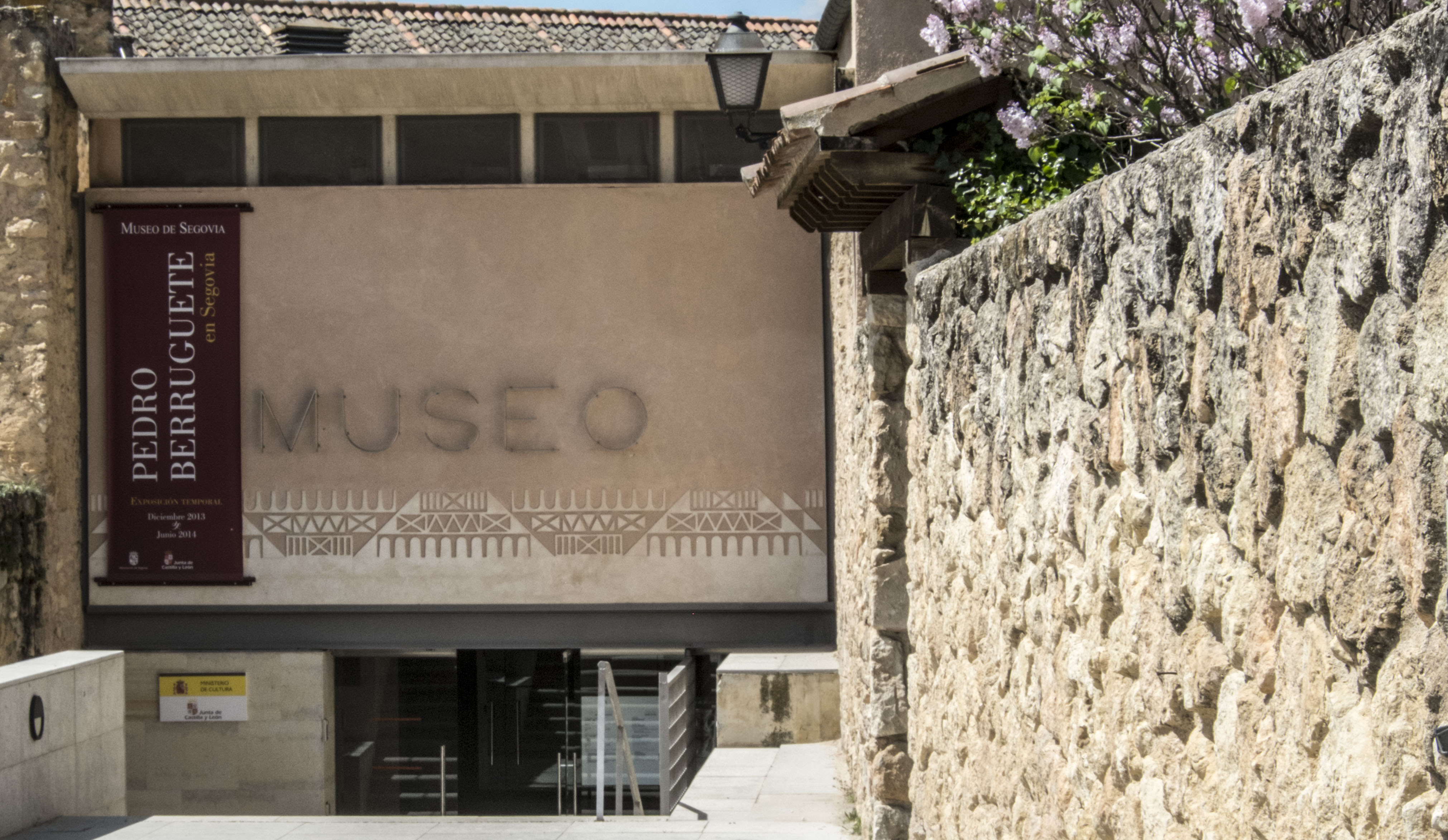
The Segovia Museum, formerly the Provincial Museum of Fine Arts, dates back to 1842. It was established with works from the convents dissolved under Mendizábal’s Confiscation, to which were subsequent...
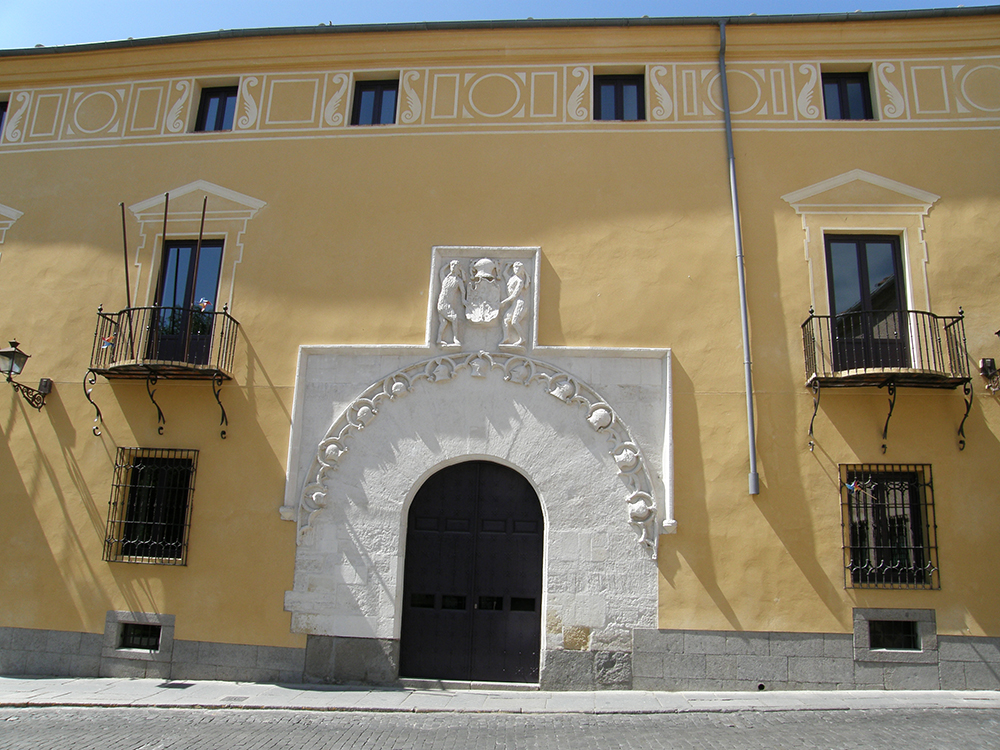
The Quintanar Palace is a multidisciplinary cultural center run by the Regional Government of Castile and León, created to offer a wide-ranging program in the fields of graphic design, industrial desi...
This majestic church is a gem of Romanesque architecture that captivates visitors with the harmony and elegance of its design.Built between the 11th and 13th centuries, it has a basilica-style layout ...
The school of the Jesuit Sisters occupies the site of the former Ibáñez de Segovia Synagogue, also known as the New Great Synagogue, which in 1419 replaced the building previously known by that name, ...