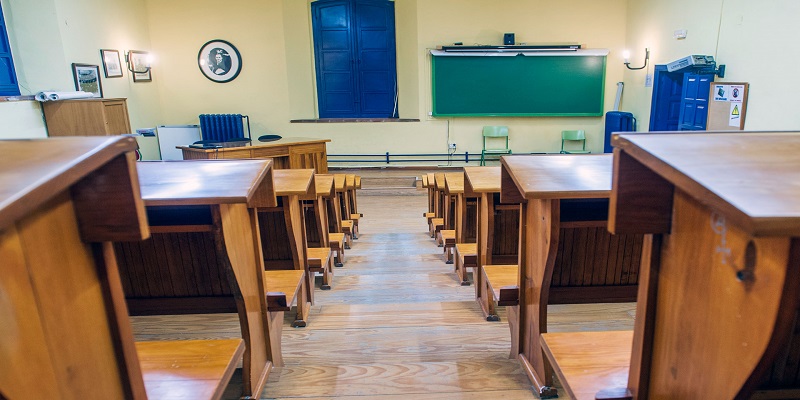
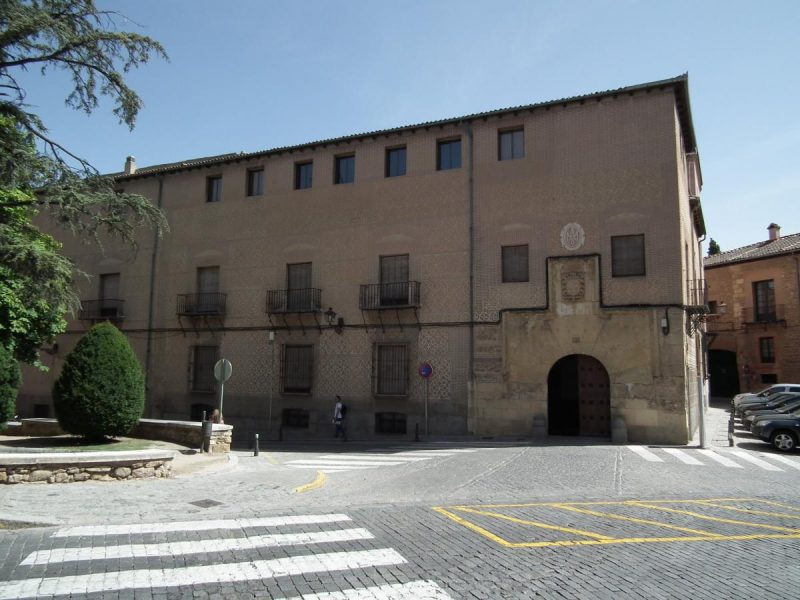
When the poet arrived in Segovia, he taught at the General and Technical Secondary School. A classroom bearing his name still stands, featuring characteristic benches at various heights and a 19th-cen...
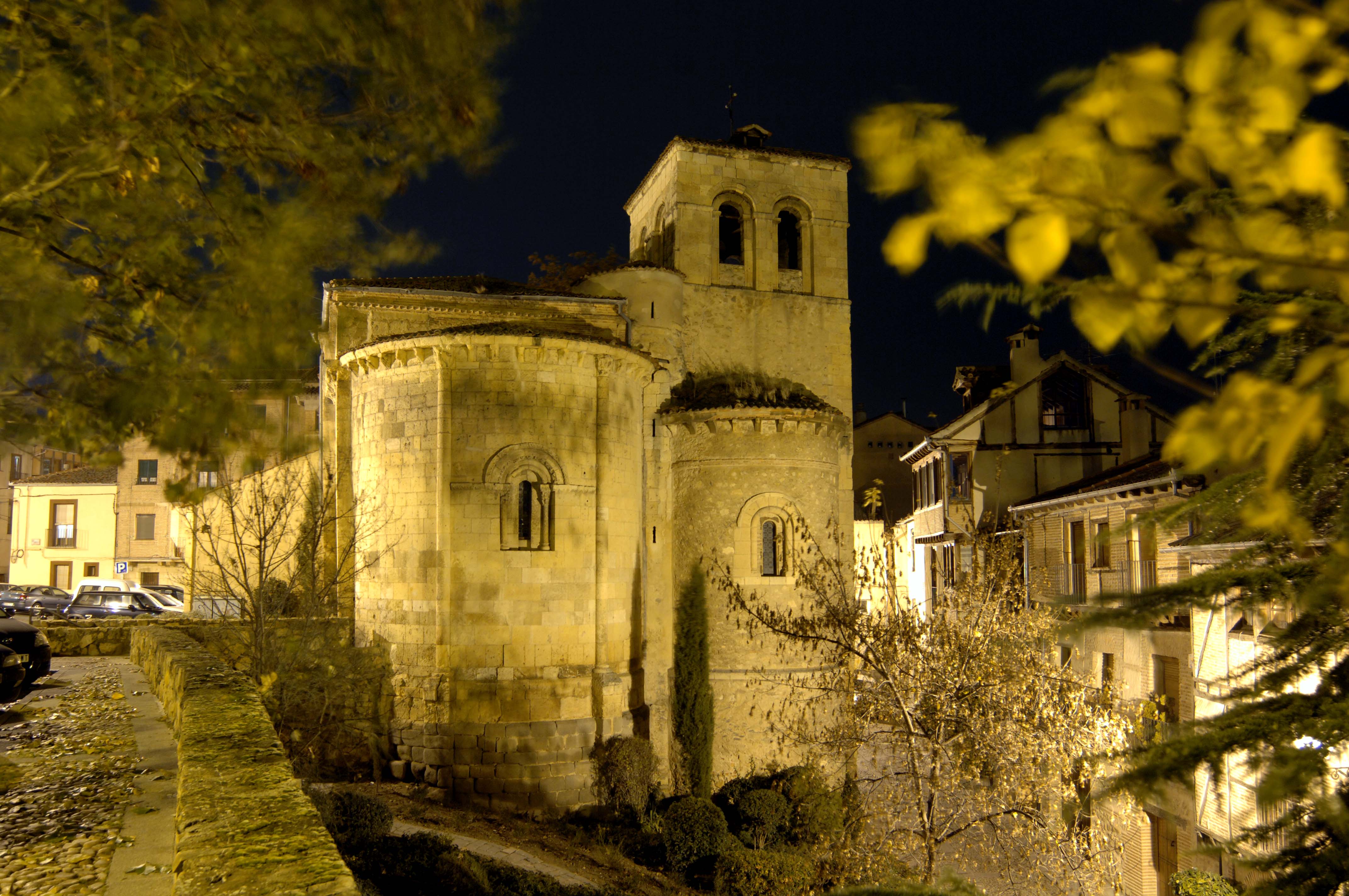
Built between the 12th and 13th centuries, the Church of San Nicolás de Bari is an example of the Segovian Romanesque style.It features a single-nave structure with an apse, and a second apse integrat...
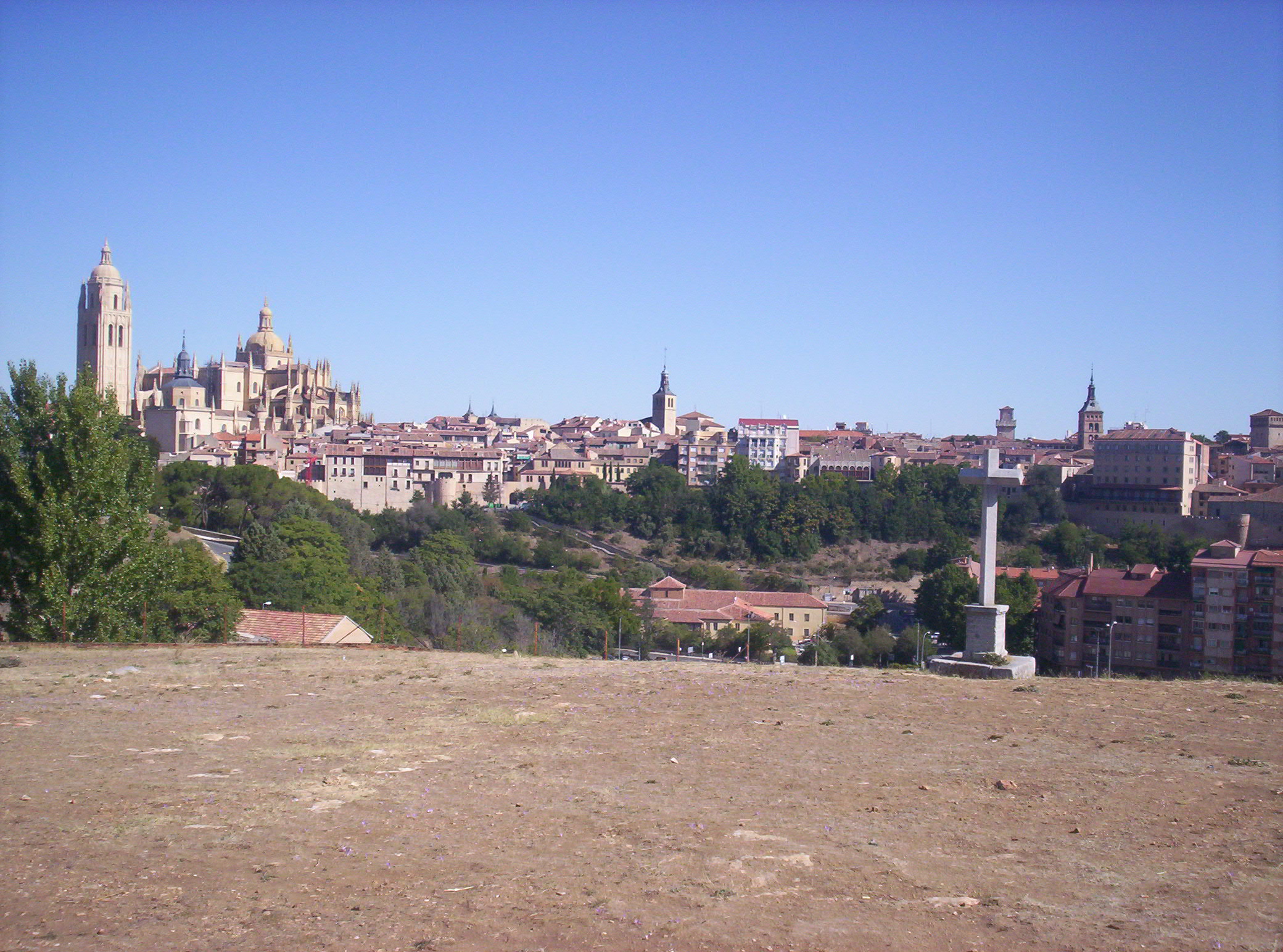
La Piedad is a hill near the road to Ávila and from there, in the shadow of the crosses marking the end of a stone Calvary, and next to a small medieval hermitage, one can enjoy a fine panoramic view ...
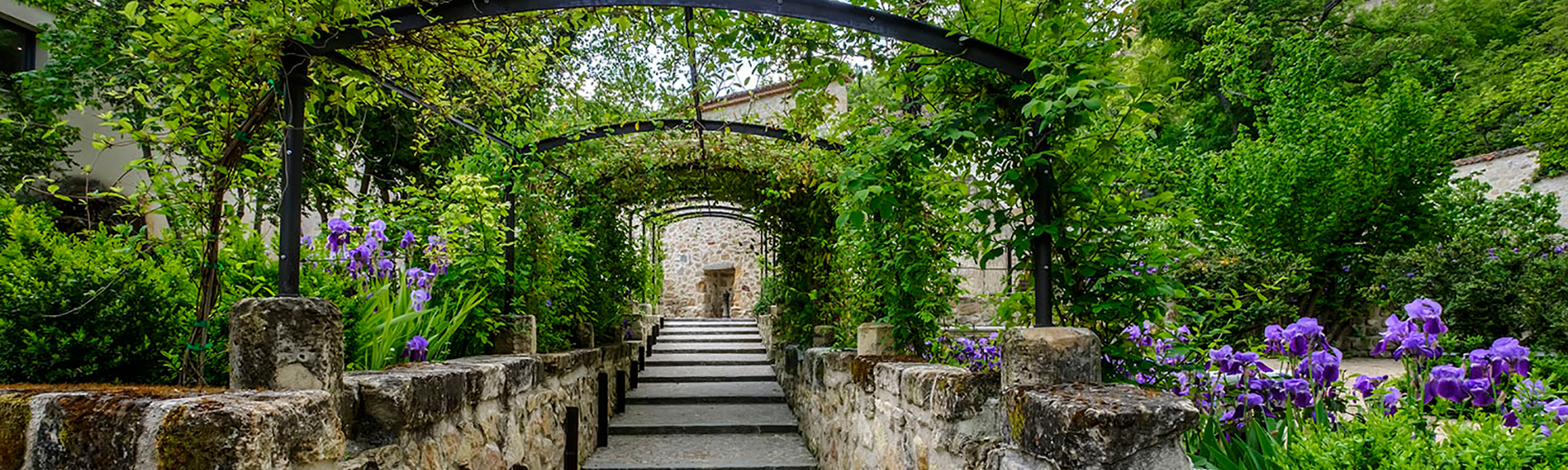
The King's Garden is a little gem located at the western end of the Royal Mint, designed for the personal enjoyment of Philip II. It was a very special place where the kings could relax and unwind whe...
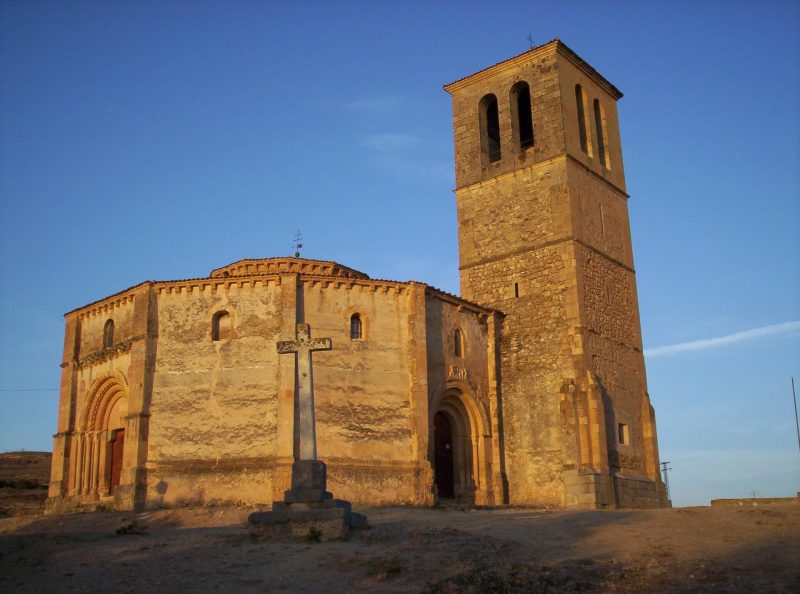
On the road to Zamarramala stands the Church of La Vera Cruz, founded by the Knights of the Order of the Holy Sepulchre in 1208, although popular tradition has, since time immemorial, attributed it to...
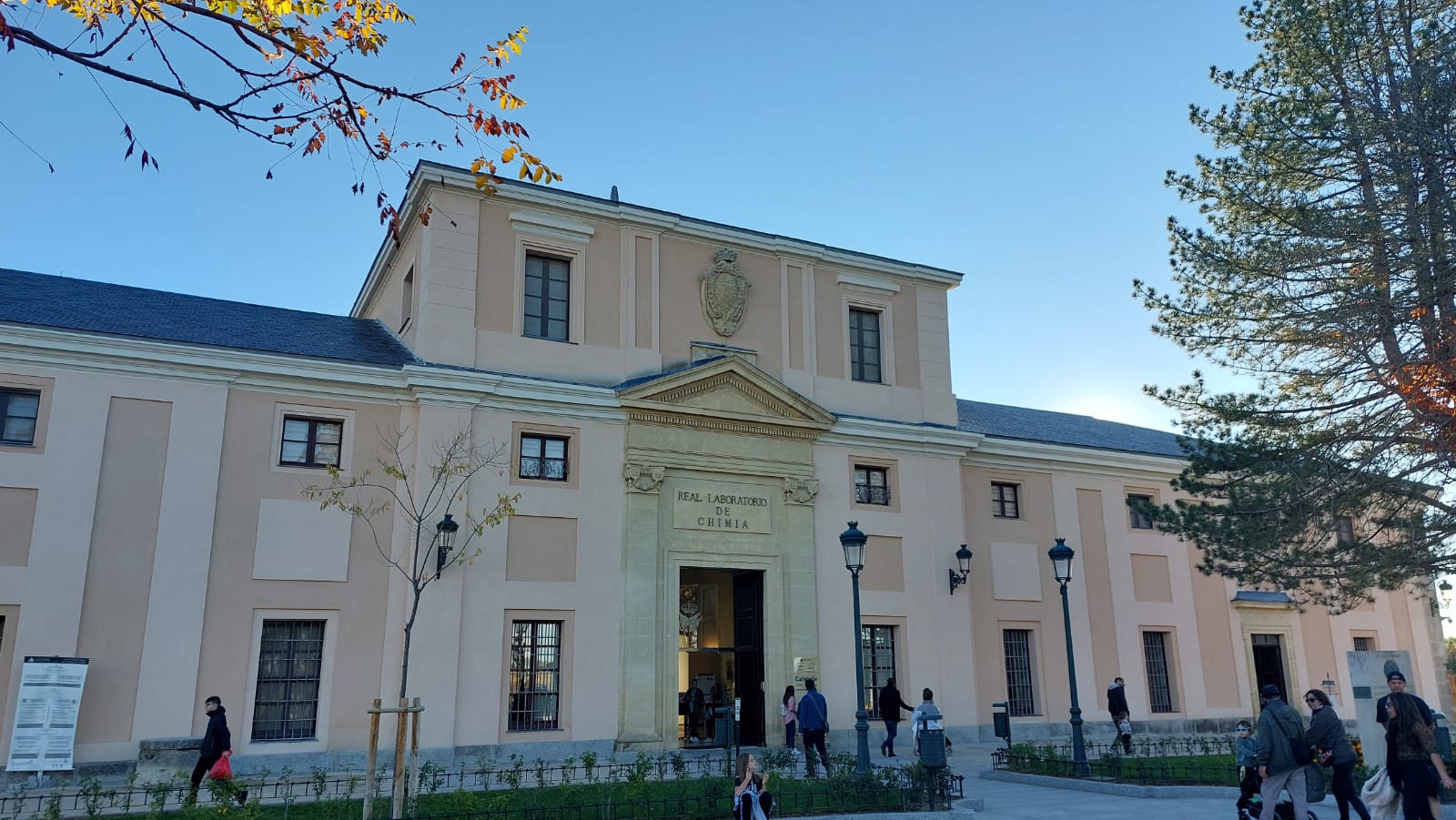
Late 18th century.It was established by Charles III, who placed it at the service of the Royal College of Artillery; it was the first Royal Chemistry Laboratory in Spain, and it was here that the Fren...
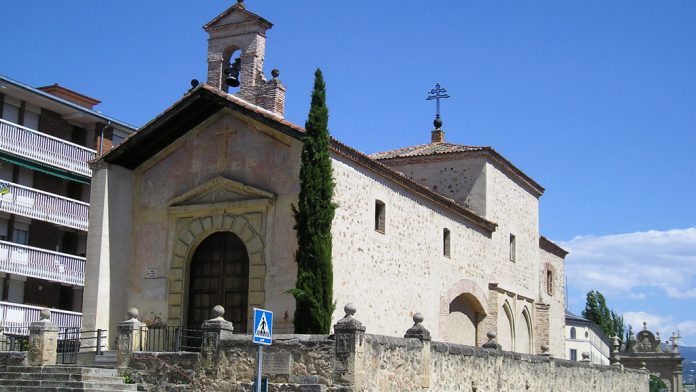
Its construction dates back to the early 15th century, coinciding with the arrival of Saint Vincent Ferrer in the city. It is a simple structure, consisting of a single rectangular nave. Remnants of t...
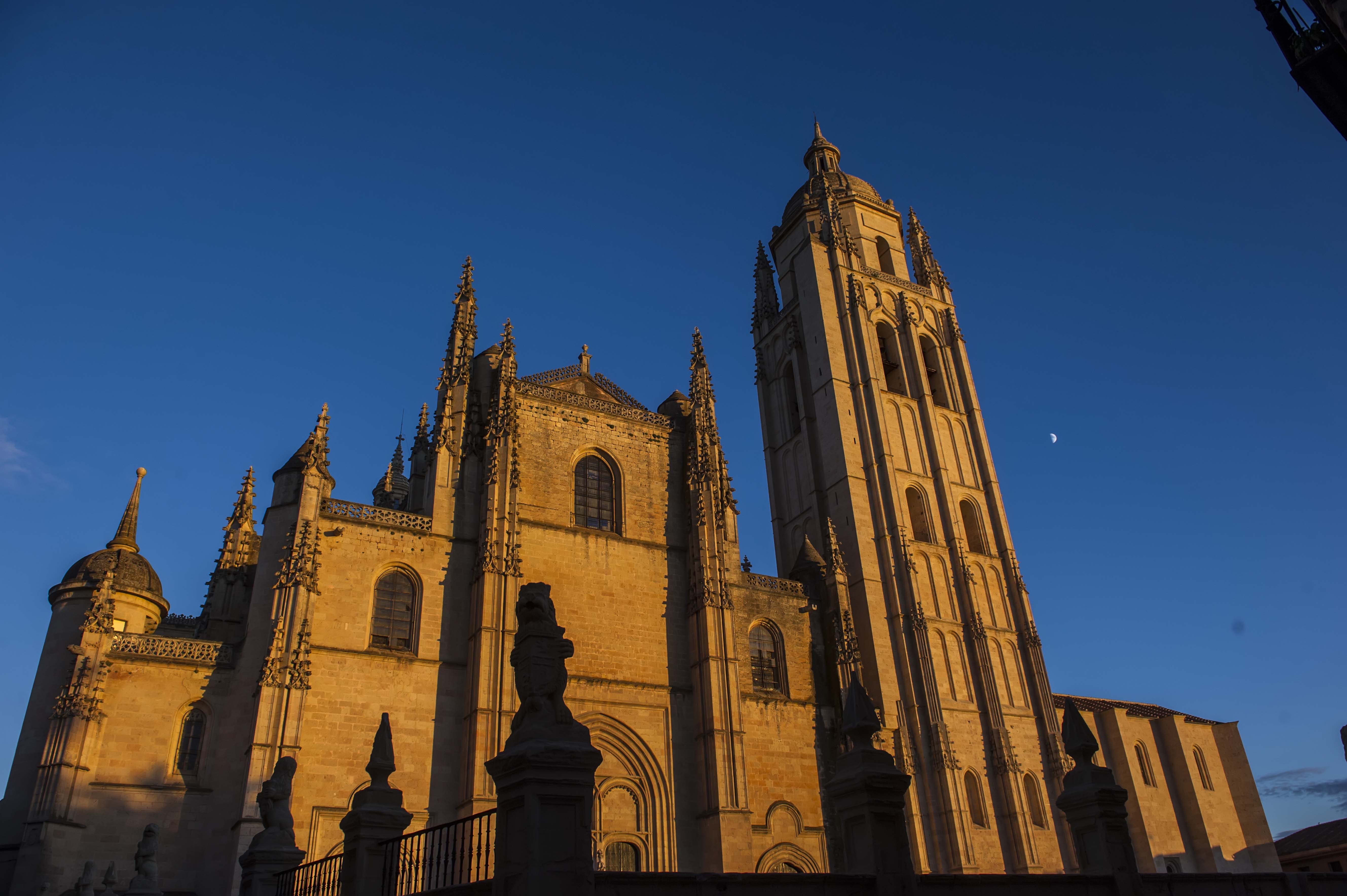
Its full name is the Cathedral of Nuestra Señora de la Asunción y San Frutos.Following the late Gothic style, construction began in 1525 with the non-profit collaboration of Segovians, under the direc...
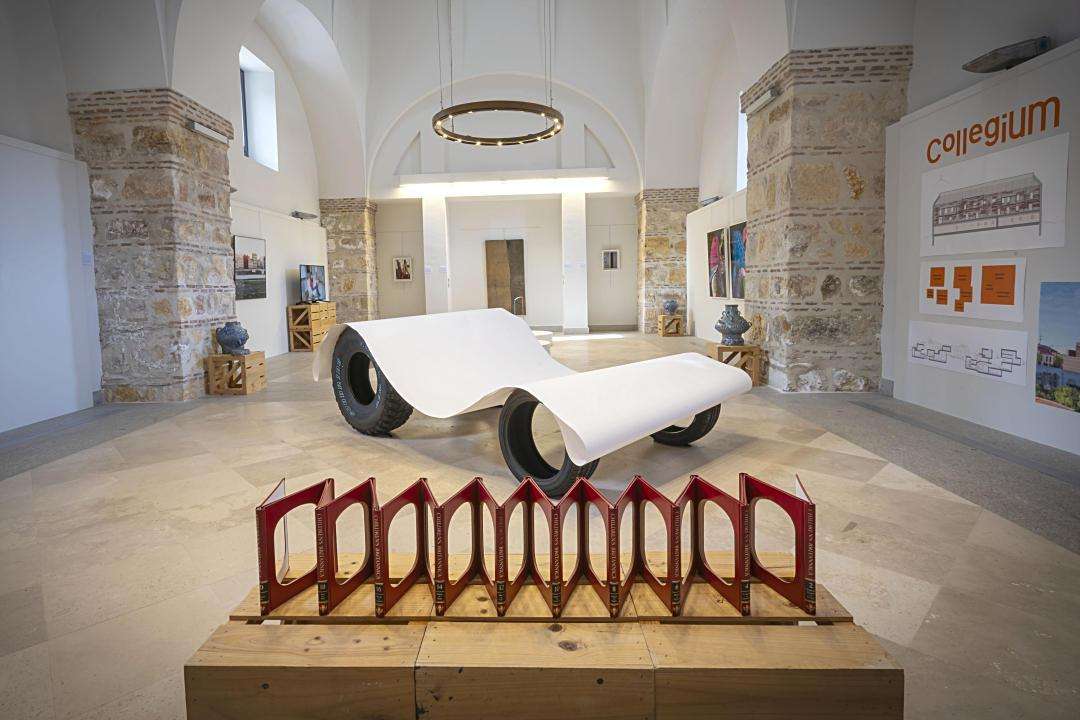
The IE Creativity Centre is an open space, established through an institutional agreement between Segovia City Council and the internationally renowned IE University.Its main objective is to foster cr...