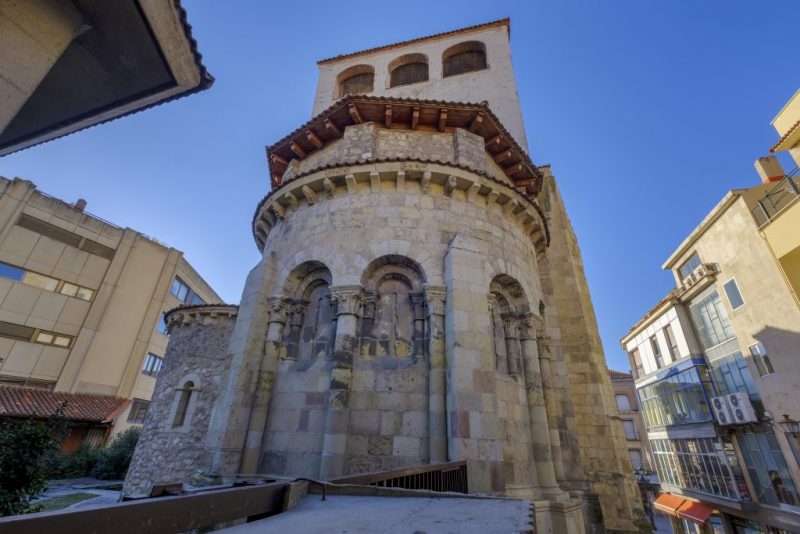
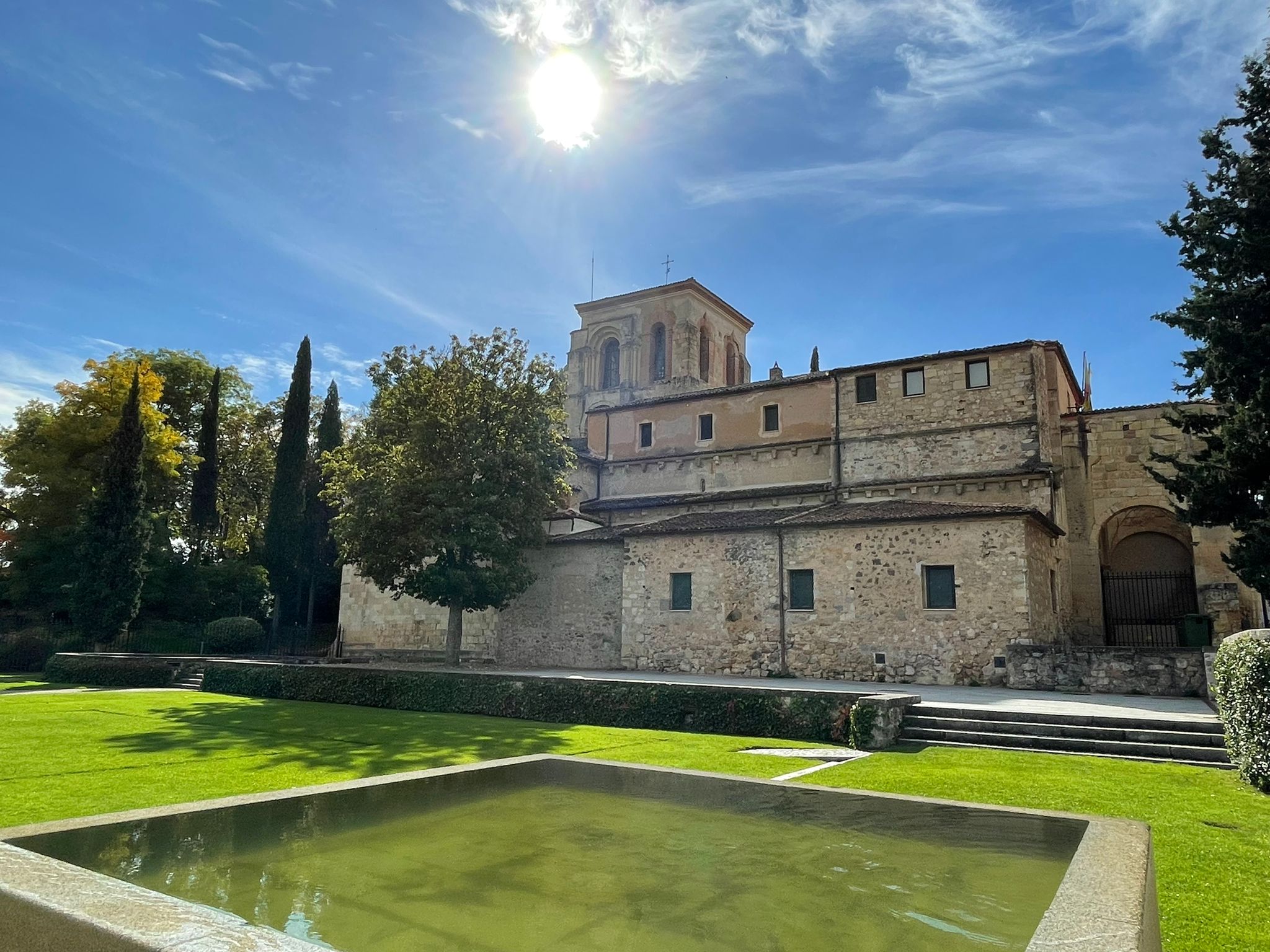
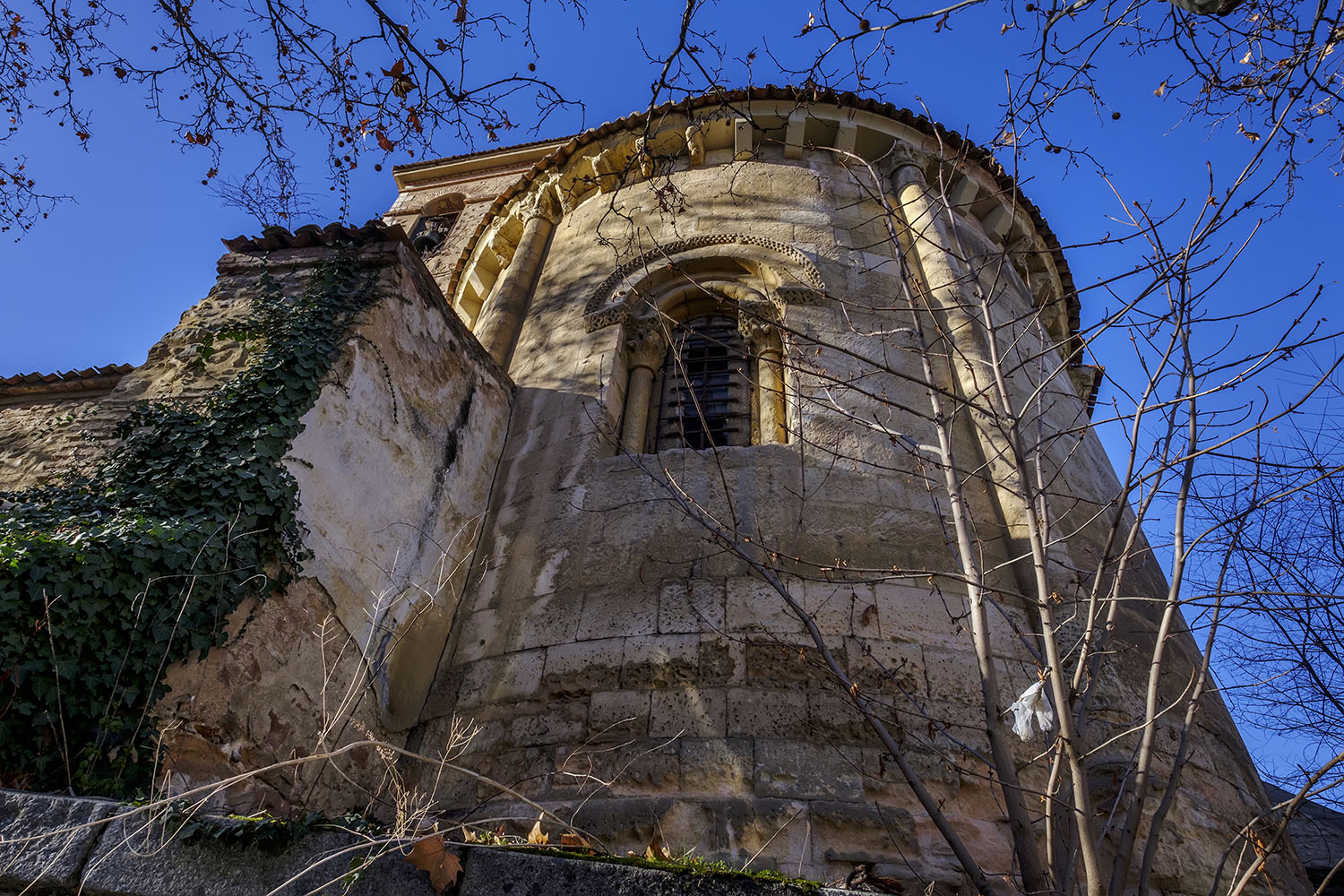
12th–13th centuries. A single-nave structure with an apse. The second apse forms part of the narthex that runs along the south façade. Interesting wall paintings (13th century).
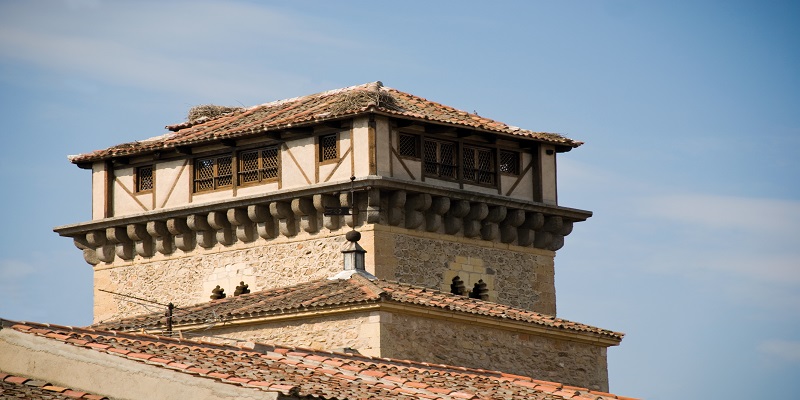
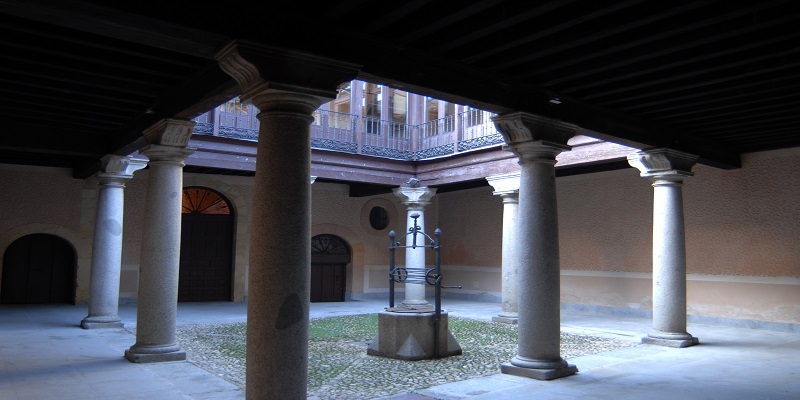
13th–17th centuries. A complex comprising several buildings: the mansion of Peralta and that of Arias de la Hoz, of which the Tower of Hercules (designated a Site of Cultural Interest) formed part; it...
Situated in front of the magnificent building at the point where the rocky outcrop on which Segovia stands begins to narrow, this small square opens out to the south towards the Clamores Valley, the P...
Located along the northern city wall, this spot invites visitors to enjoy a moment of peace. It is just a 5-minute walk from the Aqueduct, yet the hustle and bustle surrounding our city’s landmark con...
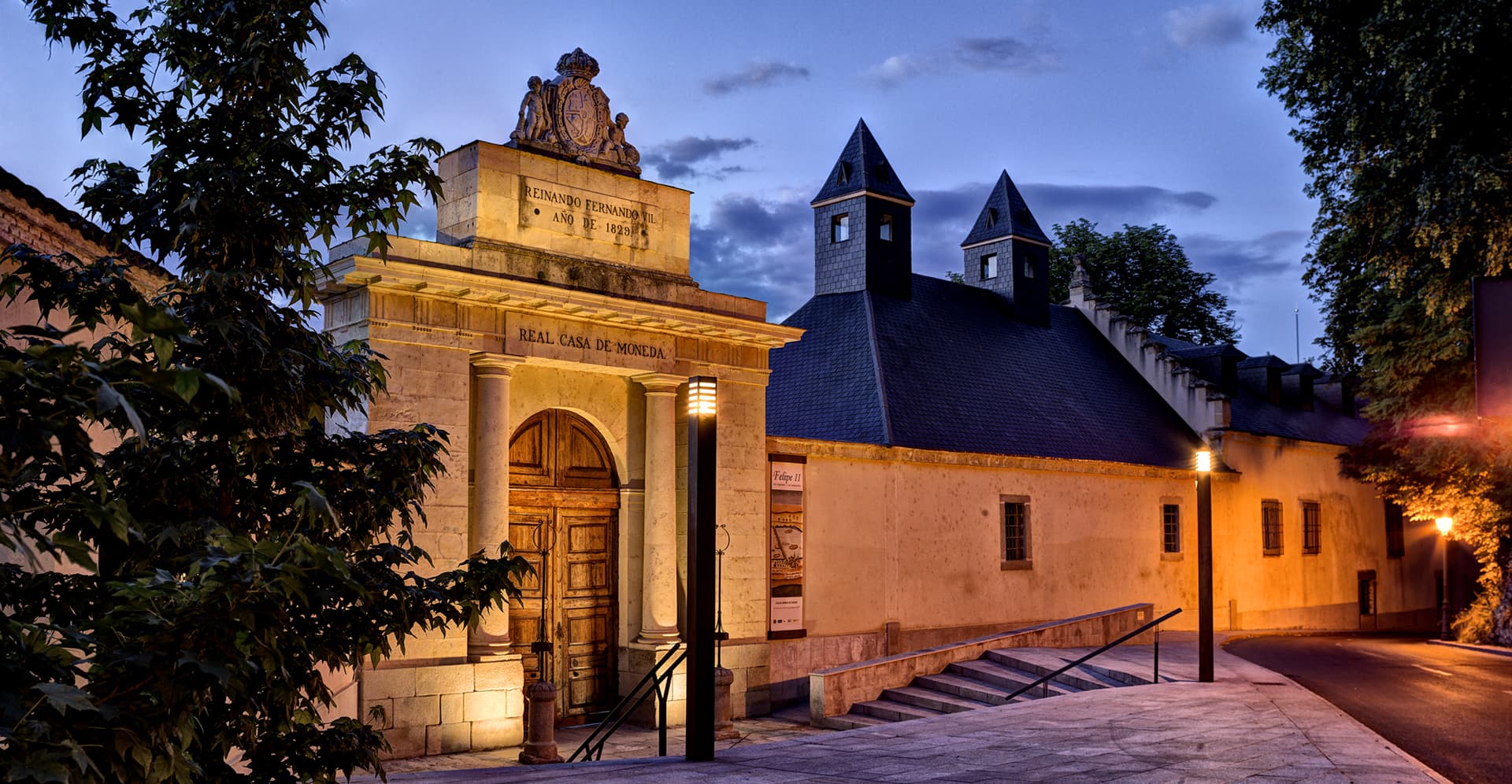
16th–18th centuries. One of the oldest examples of industrial architecture in Europe. Founded in 1583 by Philip II to the designs and under the supervision of Juan de Herrera. Spain’s first mechanised...
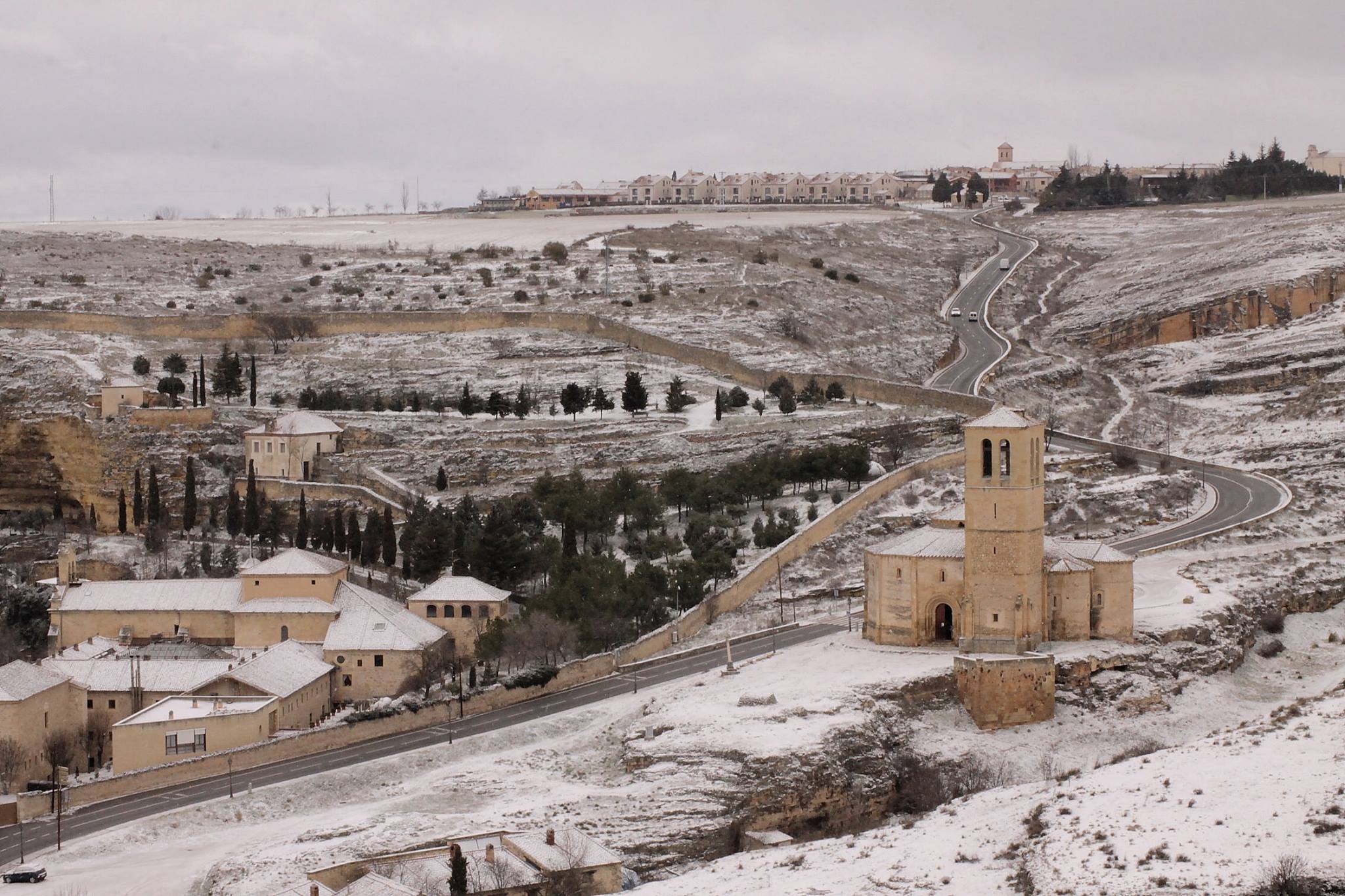
Designated an Asset of Cultural Interest.In 1574, it was the site of the original foundation of the Discalced Carmelites by Saint Teresa of Ávila, who later moved to their current location on the same...
Head towards the San Marcos meadow and follow the road towards the Arco de la Fuencisla, which stands in the middle of the road.Just before the arch, you’ll see a path on the left; cross a small bridg...
13th century. A single-nave structure with an apse at the east end. Romanesque remains can be seen in the apse and the north door. Notable Baroque plasterwork. Altarpiece dating from 1759.