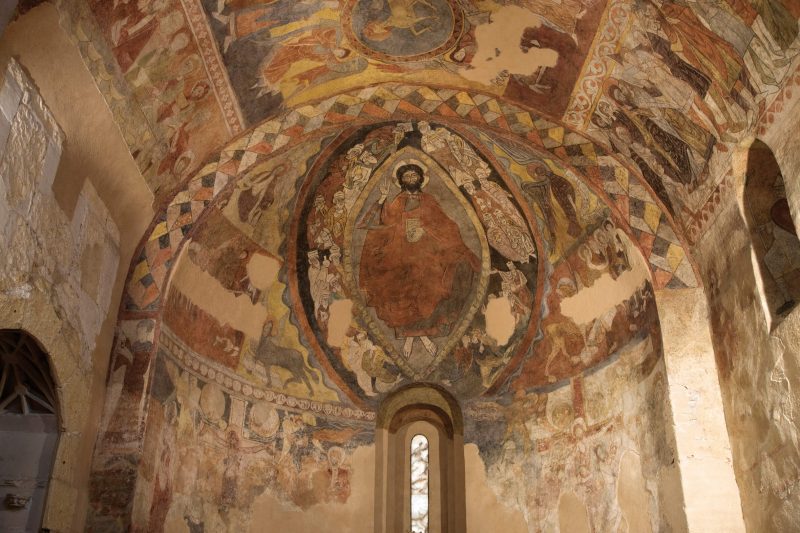
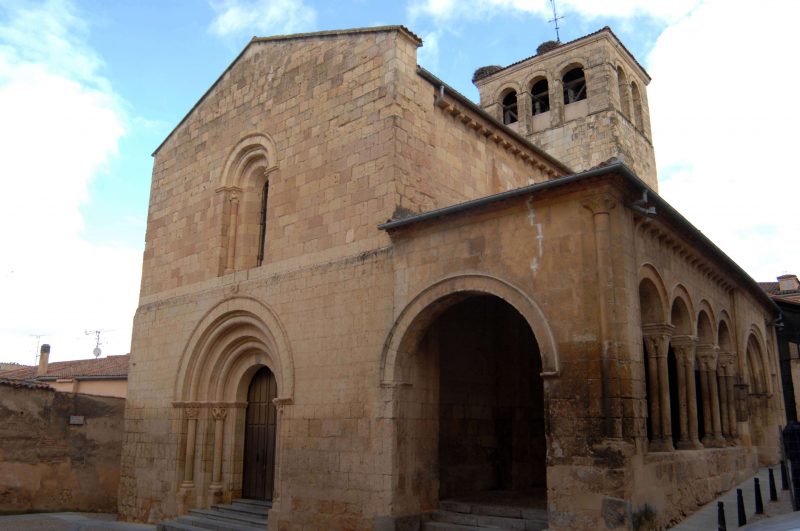
Dating from the 13th century, it is a single-nave structure with an apse-shaped chancel, featuring one of the few sculpted tympanums in Segovian Romanesque architecture, a slender tower and some valua...
Following the cobbled path of San Nicolás Lane, you come to a peaceful spot where the Church of the Holy Trinity stands, built in the mid-12th century on the site of an earlier church dating from the ...
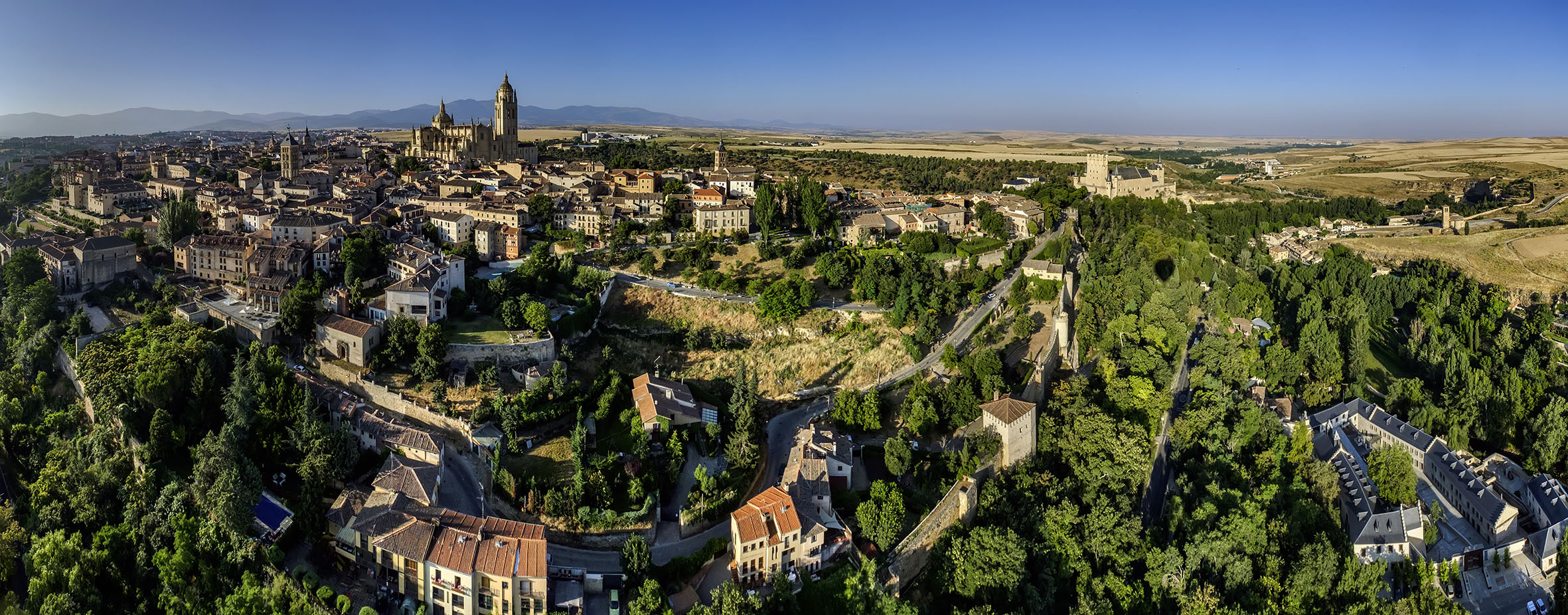
It is situated beside the road leading down from La Lastrilla and the Parador hotel, and is the ideal spot from which to take in the entire northern side of the city and the image of Segovia as a grea...
In 1783, the Royal Economic Society of Friends of the Country asked the City Council to grant them a plot of land for the creation of a nursery for ornamental trees. The idea was to plant species ther...
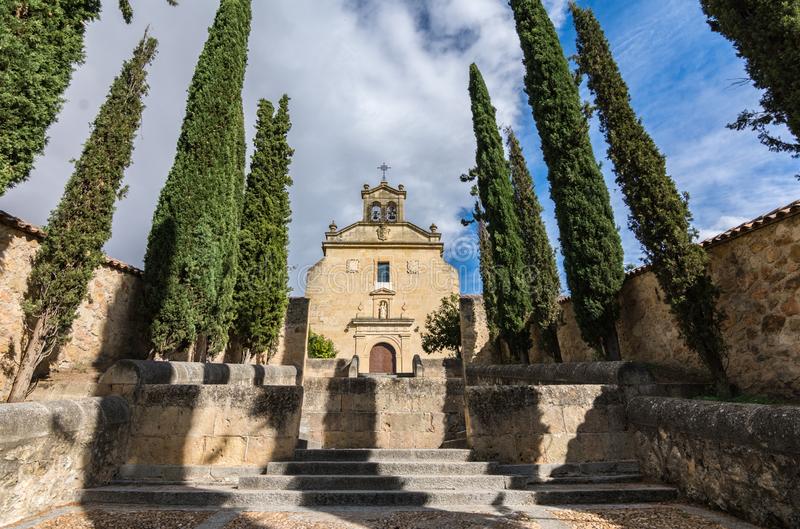
16th century. Founded by St John of the Cross in 1586, who helped to build it with his own hands. It houses his tomb, which was visited by Pope St John Paul II in 1982.A cypress tree remains, which, a...
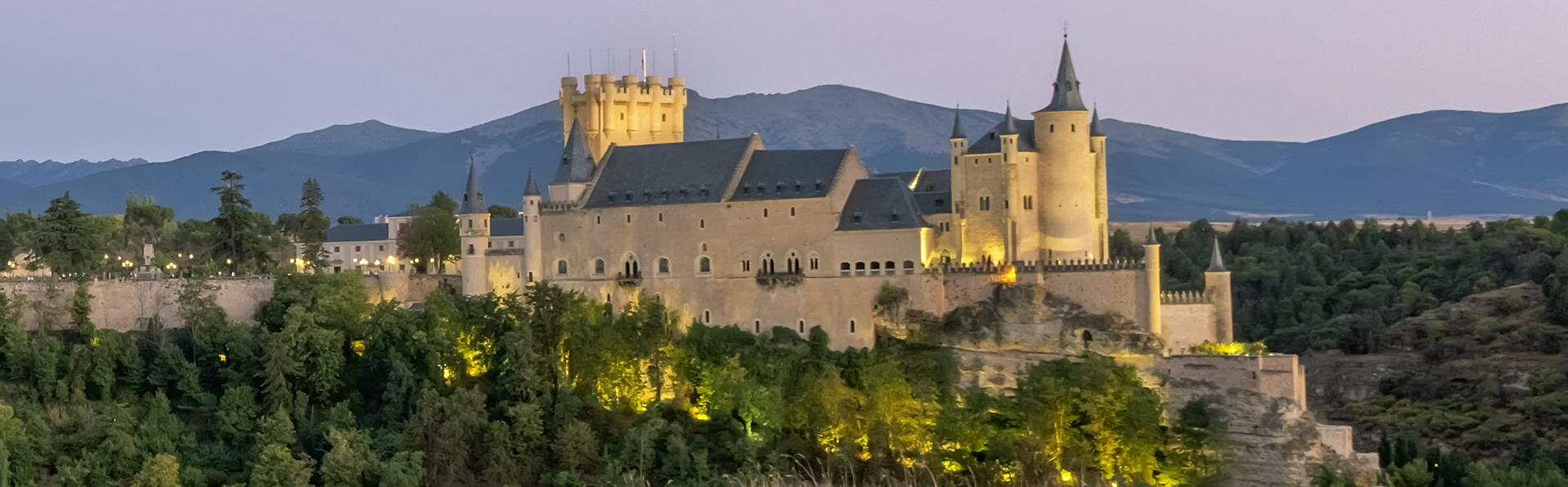
The Royal Alcázar of Segovia, the city’s symbol, is a medieval castle with breathtaking views, which served as a royal residence, fortress and prison, situated on a promontory between the rivers Eresm...
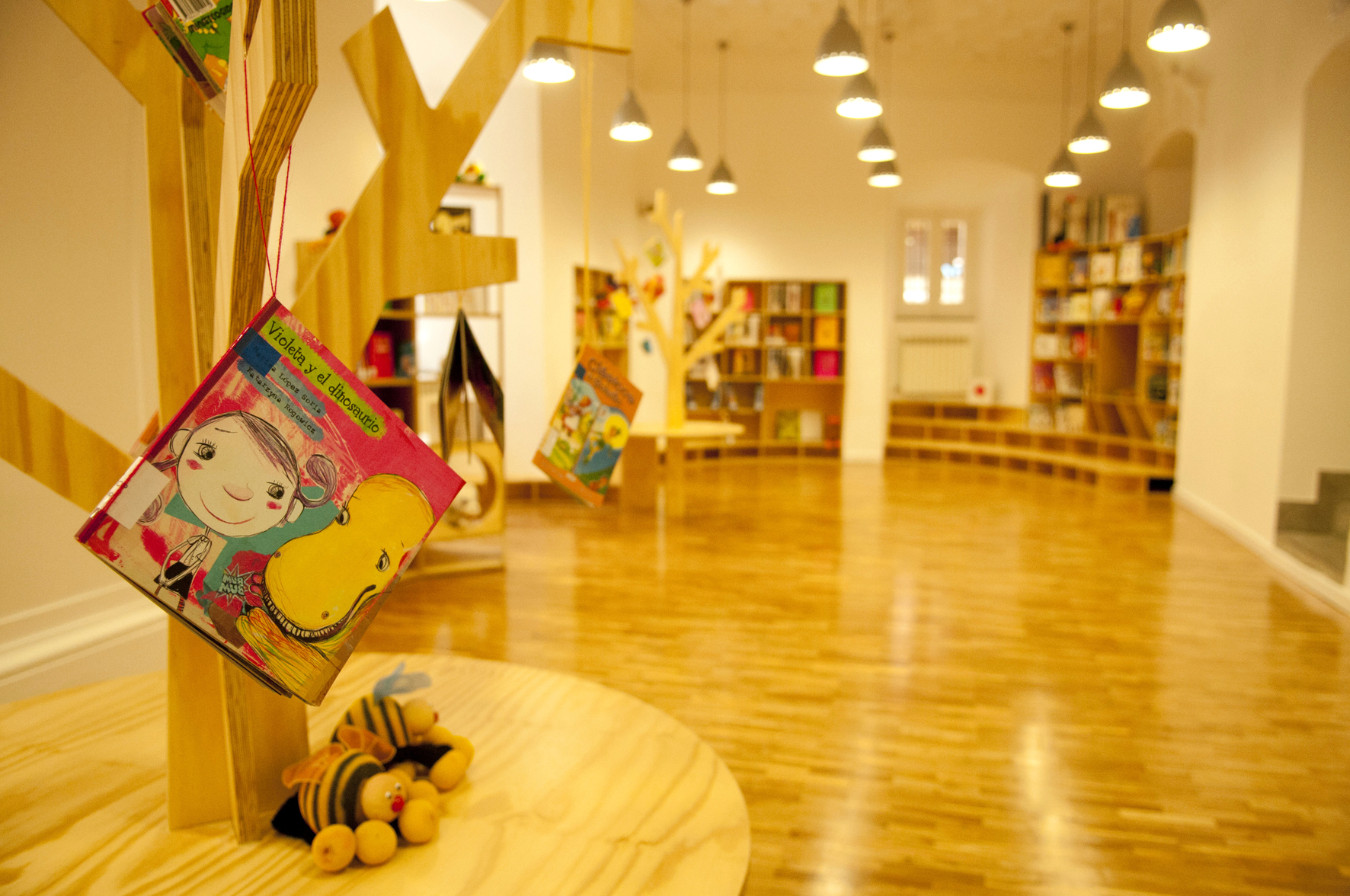
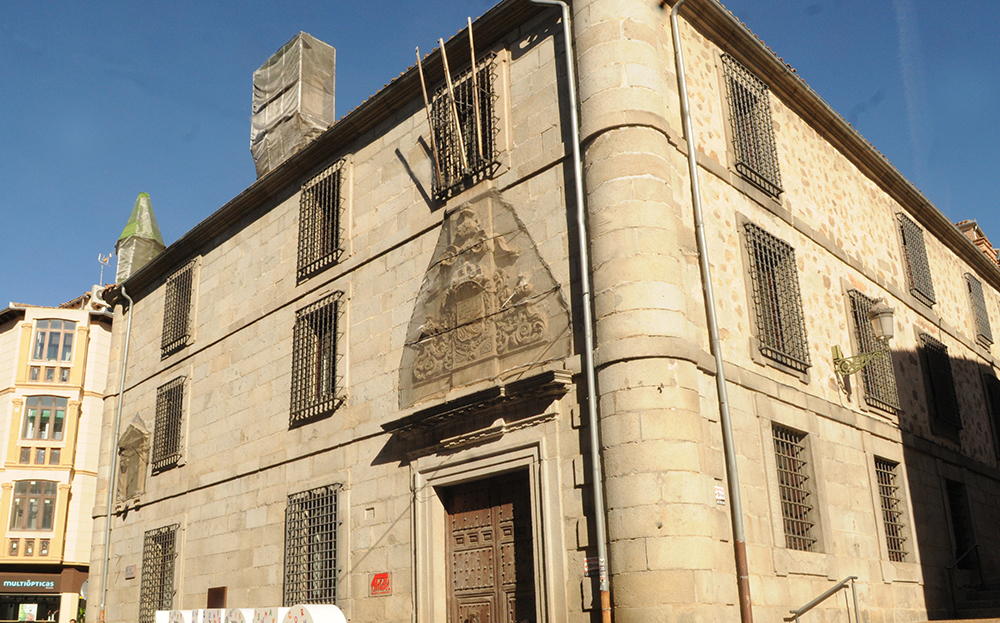
The building—formerly the Royal Prison—also served as the Palace of Archives, Libraries and Museums, the State Public Library and the city’s first exhibition hall.Today, as the Municipal Library, we o...
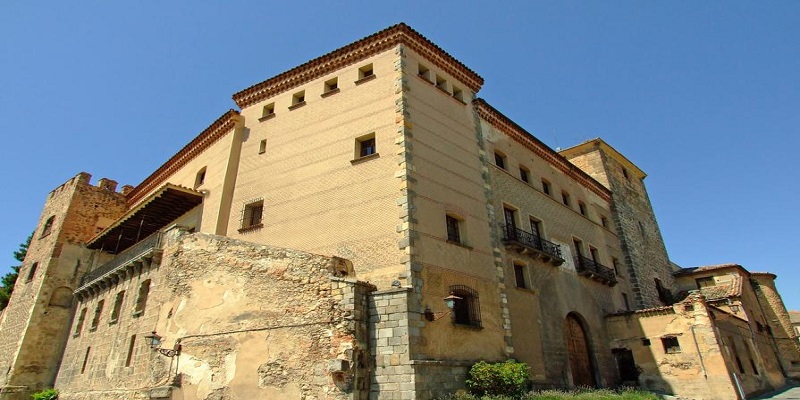
13th–15th centuries. A fortified house belonging to the Counts of Chinchón and Marquises of Moya, Andrés Cabrera and Beatriz de Bobadilla. It guarded the Puerta de San Juan, which was demolished in 18...
18th century. The town’s public prison until the early 20th century.Its décor, which is very austere due to its former use, features the coat of arms of the Habsburgs on the façade, which has been dec...