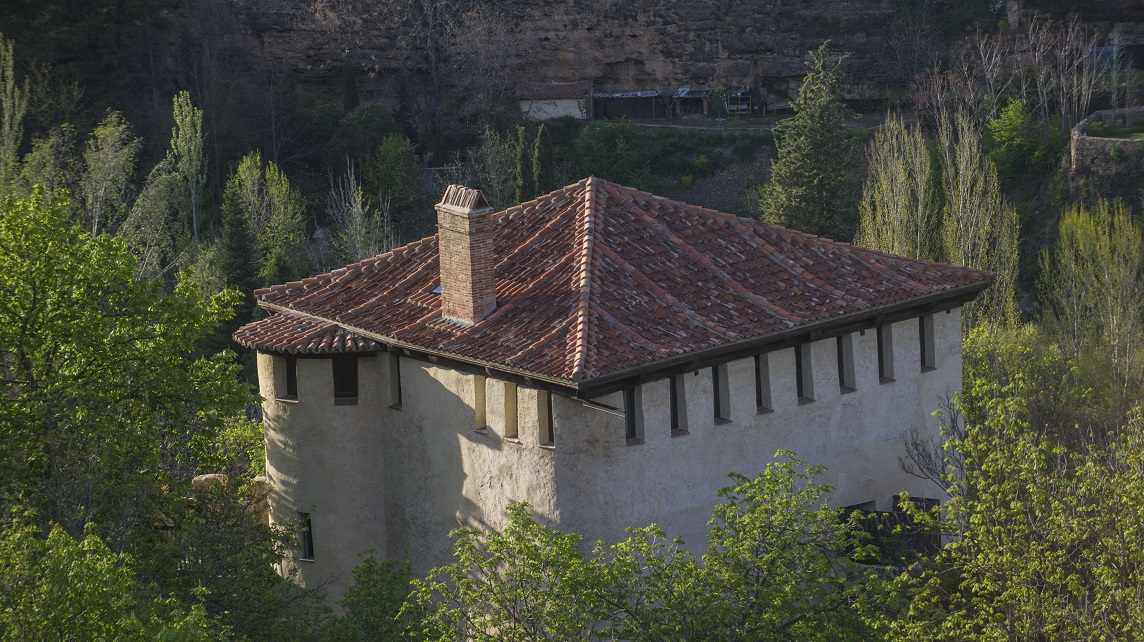
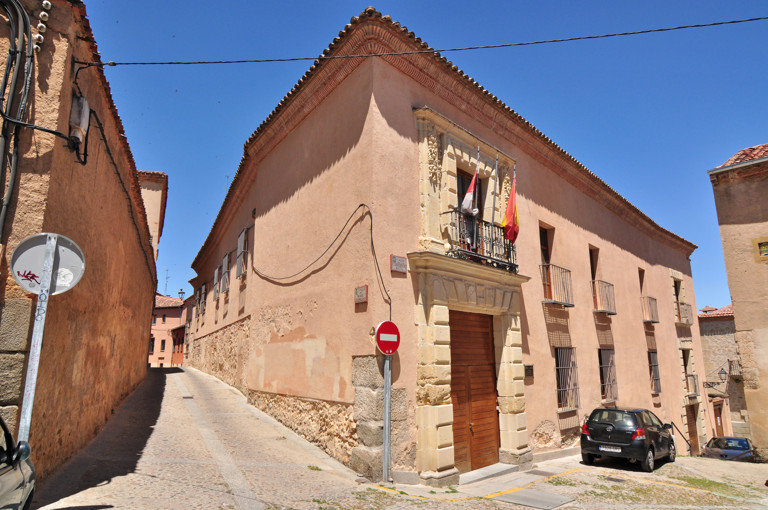
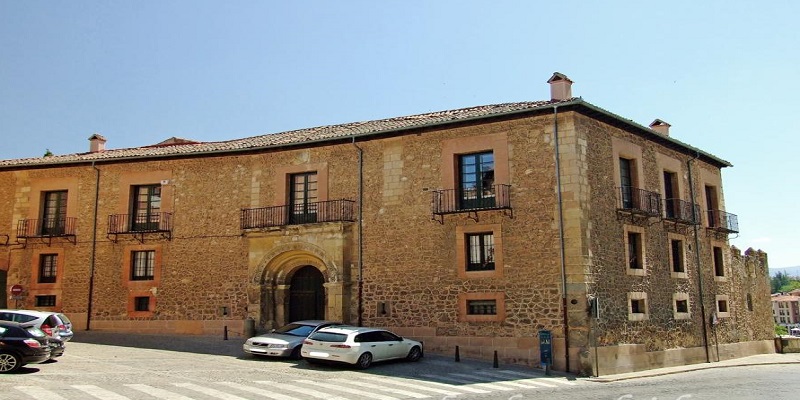
This is one of the Gates in the Wall of Segovia, known in 1122 as the Puerta de Rodrigo Ordoñez.In the mid-13th century, it acquired its current name from the nearby church dedicated to St James, whic...
Originally, it consisted of two solidly built houses, possibly dating from the 16th century, which the Knight of Alcántara, Juan de Ortega Lara y Angulo, used to construct, from 1702 onwards, a single...
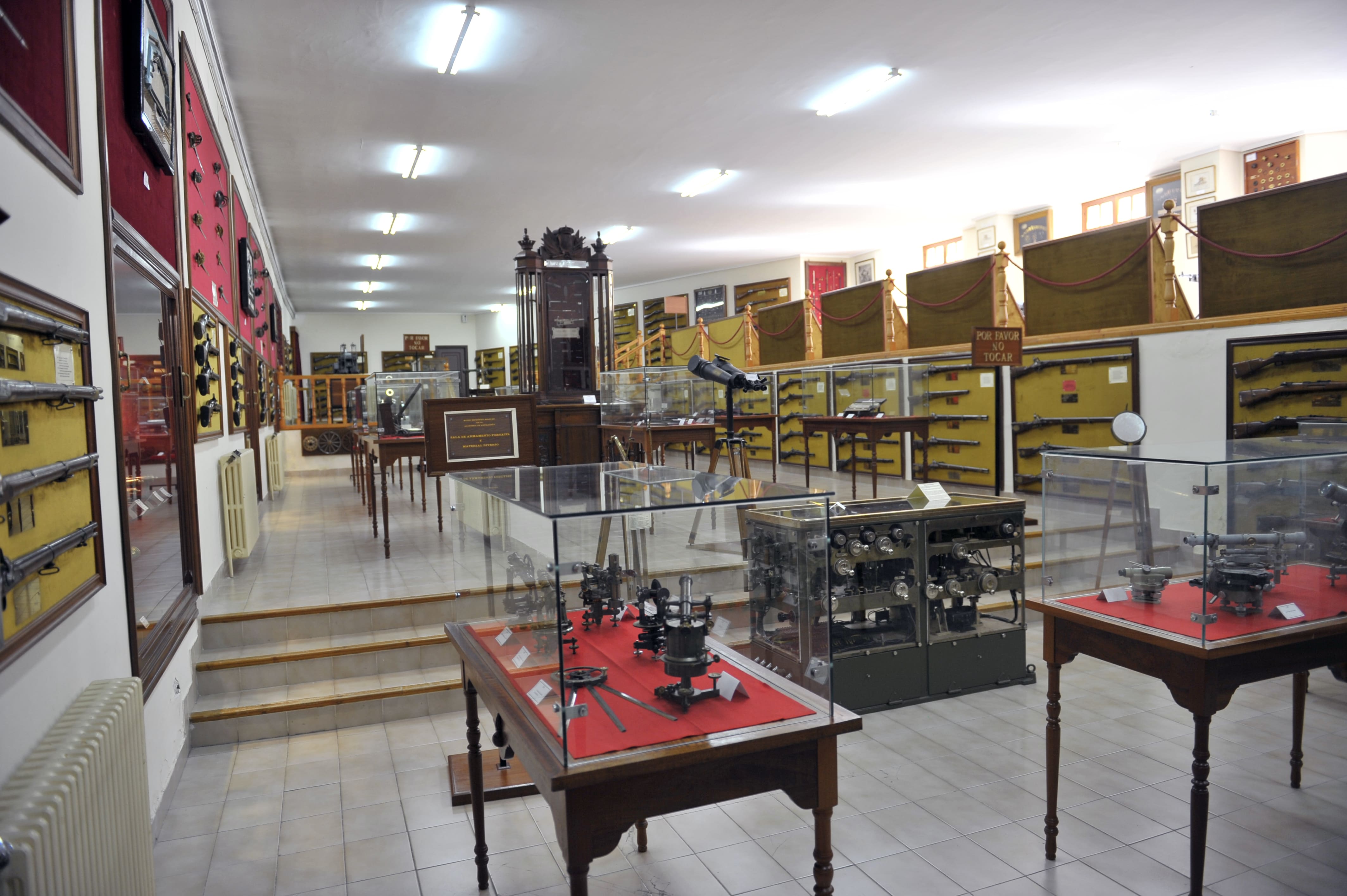
The San Francisco Barracks, situated at the foot of the aqueduct, houses the Segovia Artillery Academy Museum. Organised into four galleries —Portable Weapons and Miscellaneous Equipment, Materials, R...
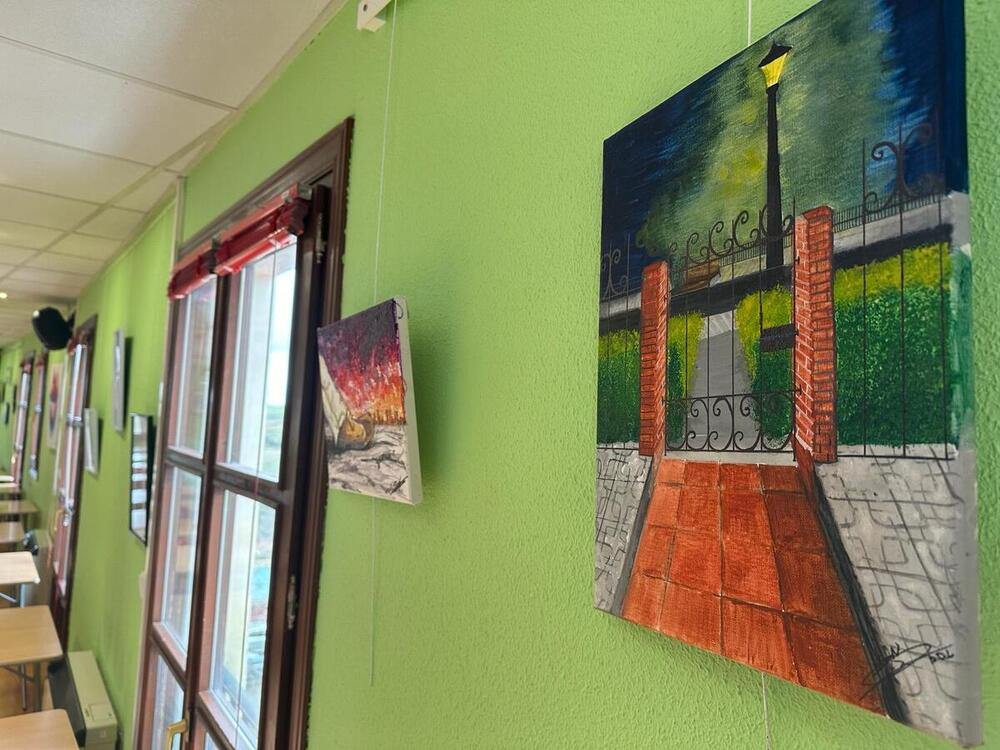
Segovia City Council, through the Youth Department, with the aim of promoting artistic creation, is making a suitable space available to Segovia’s youngest artists where they can display their work to...
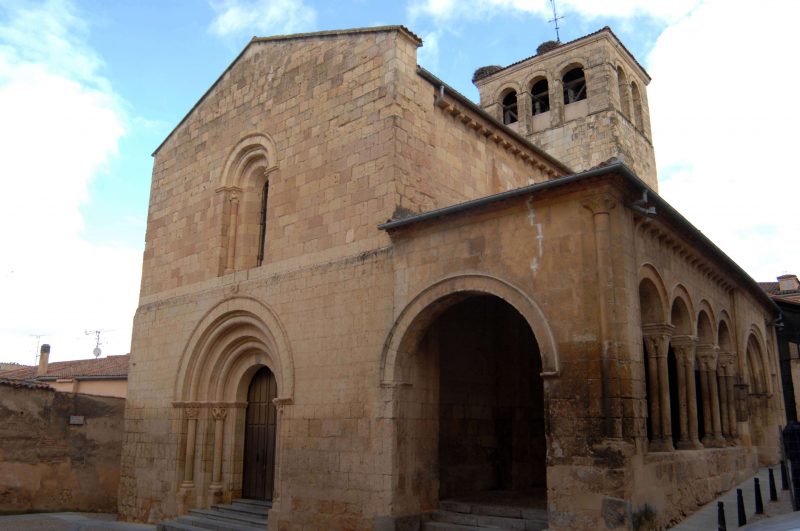
13th–15th centuries. It belonged to the entailed estate of the Cáceres family.The main façade is one of the most significant examples of Romanesque architecture in Segovia, featuring archivolts and de...
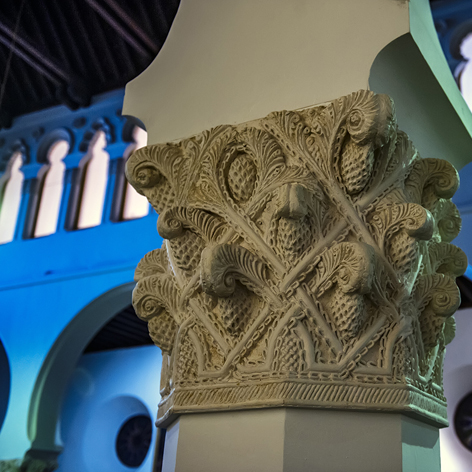
The present-day Church of Corpus Christi was formerly the Great Synagogue of Segovia. The exact date of its construction is unknown, but recent studies suggest it was built around the 14th century.Thi...
Dating from the 13th century, it is a single-nave structure with an apse-shaped chancel, featuring one of the few sculpted tympanums in Segovian Romanesque architecture, a slender tower and some valua...
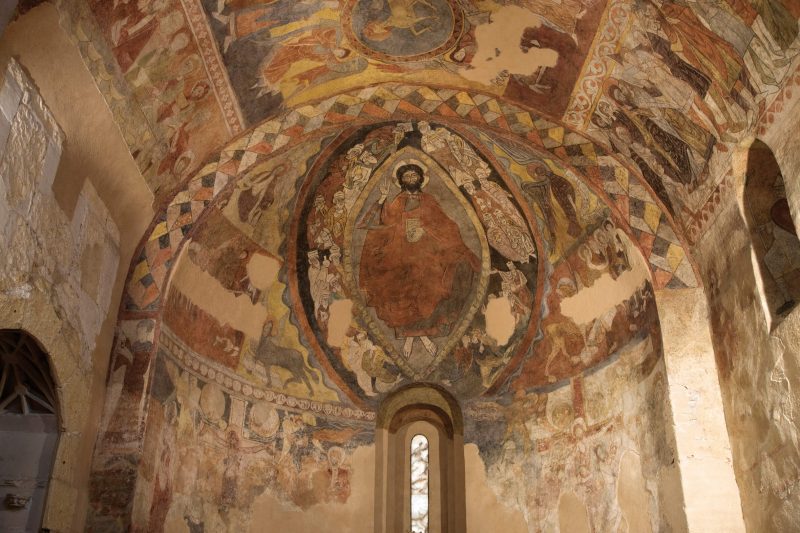
Following the cobbled path of San Nicolás Lane, you come to a peaceful spot where the Church of the Holy Trinity stands, built in the mid-12th century on the site of an earlier church dating from the ...