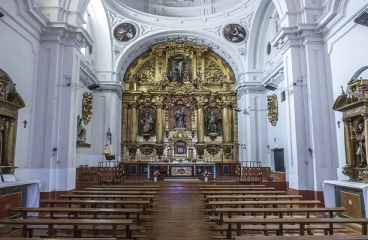
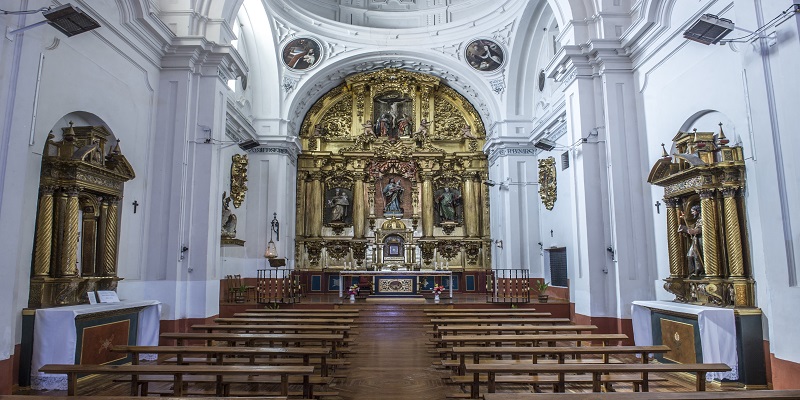
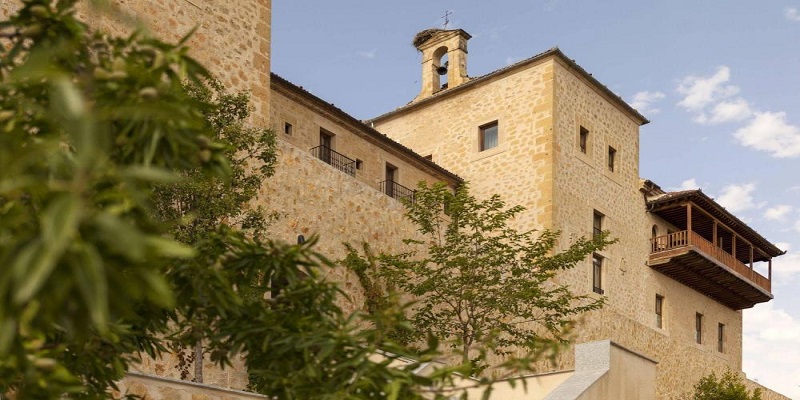
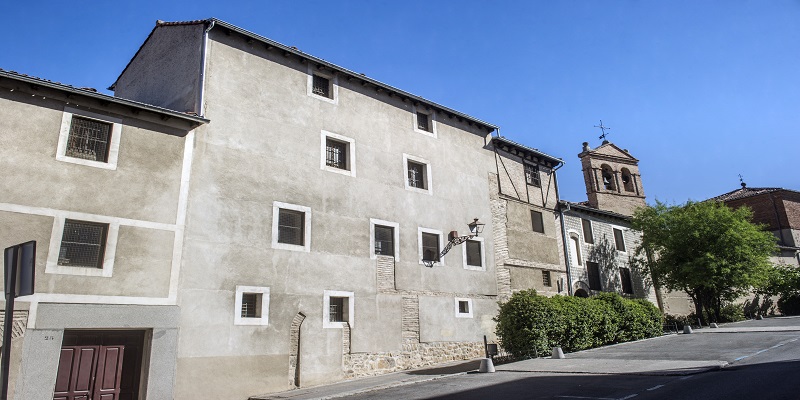
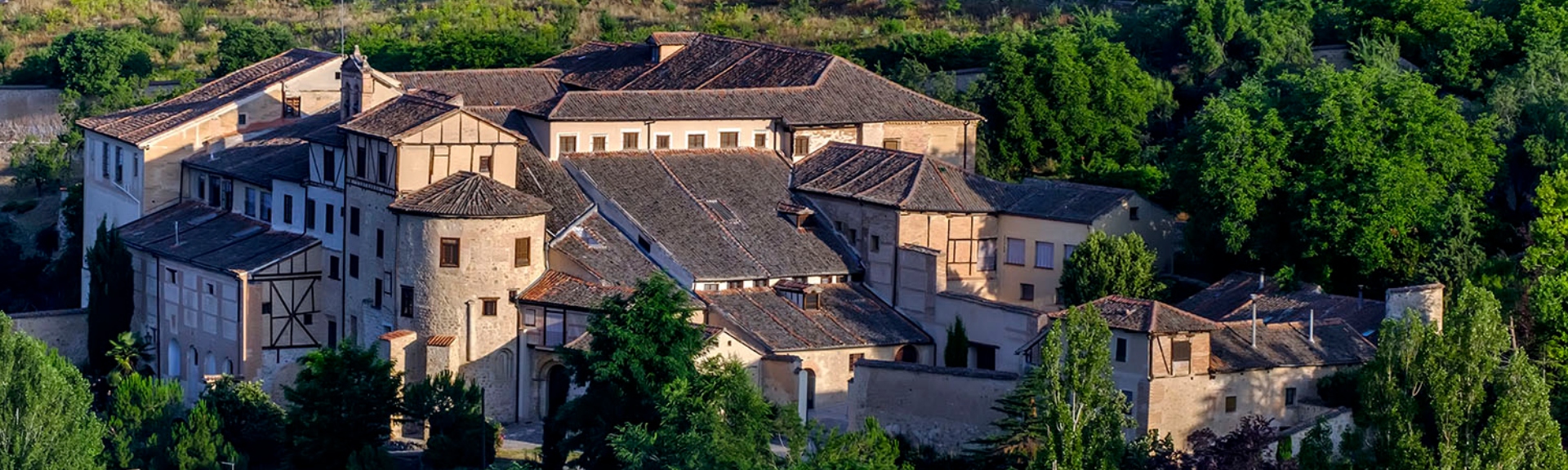
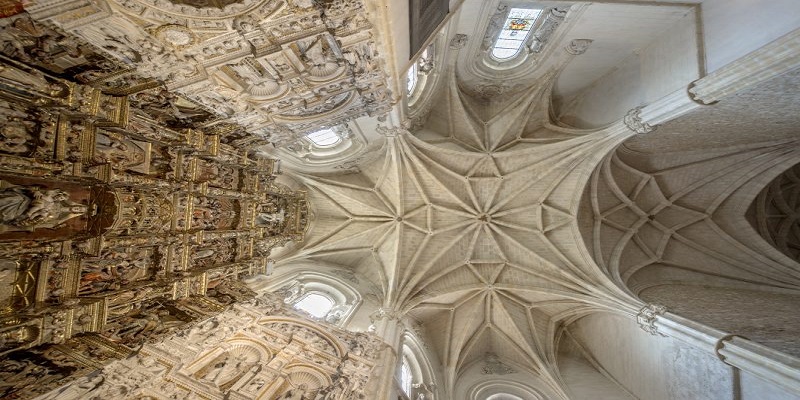
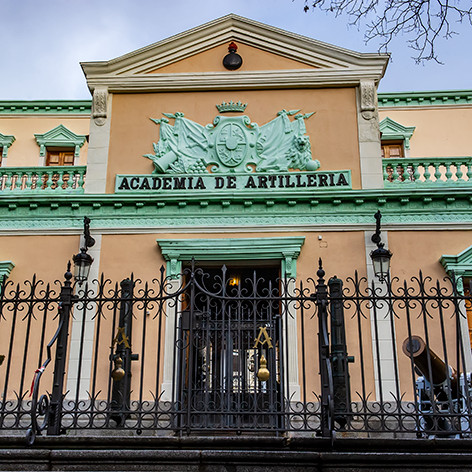
The legacy of the Saint16th–17th centuries. The site where the foundation established by Saint Teresa of Ávila on 19 March 1574 was subsequently relocated (see no. 21).Chapel built by Pedro de Brizuel...
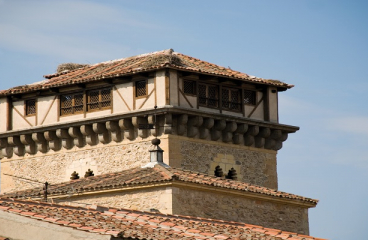
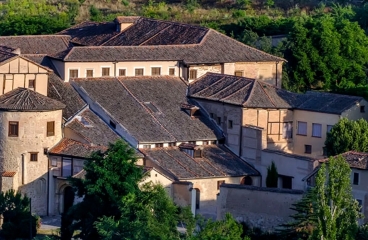
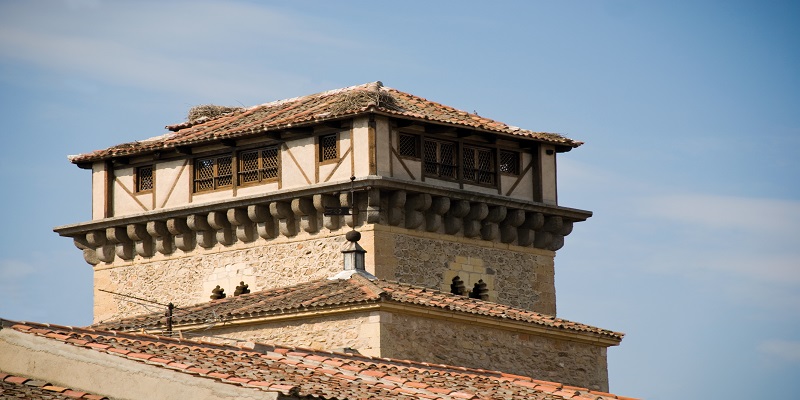
13th–17th centuries. A complex comprising several buildings: the mansion of Peralta and that of Arias de la Hoz, of which the Tower of Hercules (designated a Site of Cultural Interest) formed part; it...
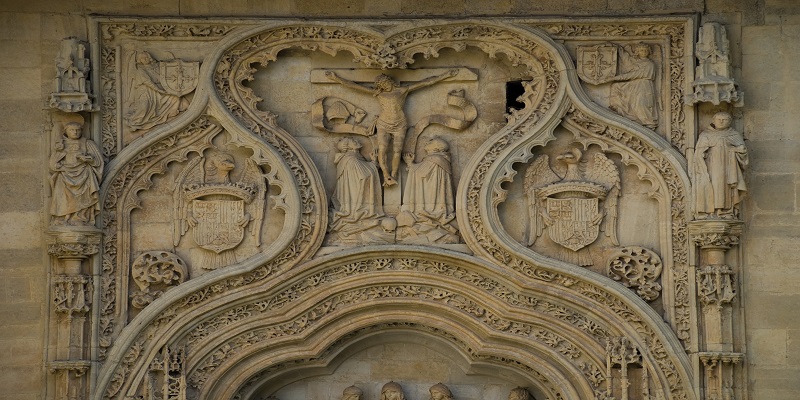
Founded in 1637 by the Counts of Covatillas. The church façade features the founders’ coats of arms and an image of Saint Bonaventure. It served as a convent for the Oblate Sisters until 1996. Before ...
16th century. Originally a convent run by Agustinian nuns, it was extended in 1592 to the Humble order of nuns, a division of the same order. The building materials are equally humble here, in the faç...
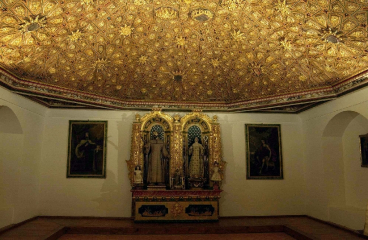
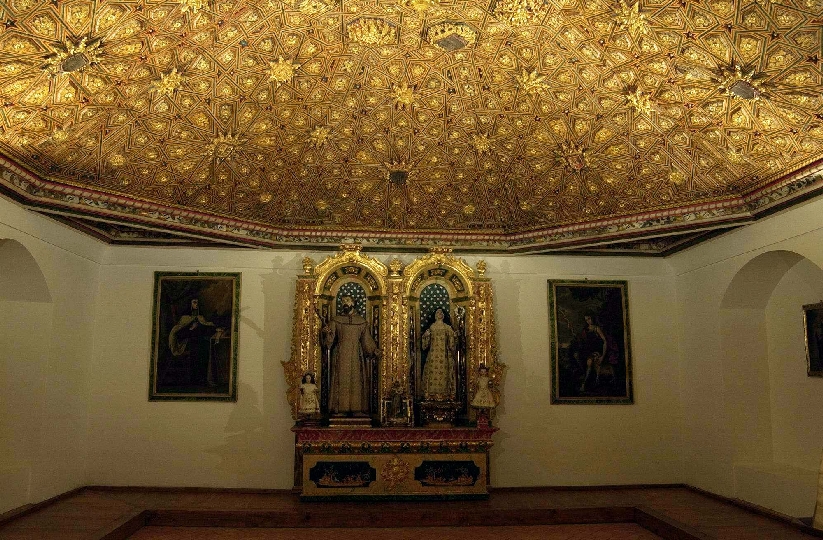
15th century. A genuine jewel of Mudejar or Spanish Moorish art in Segovia. This was King Henry IV’s old hunting pavilion. Extraordinary coffered ceiling in the main chapel and an outstanding polychro...
13th -15th centuries. A Dominican convent in the Romanesque style. This was the first male convent of the Order, founded by Saint Domingo de Guzmán during his visit to Segovia on Christmas 1218. Rebui...
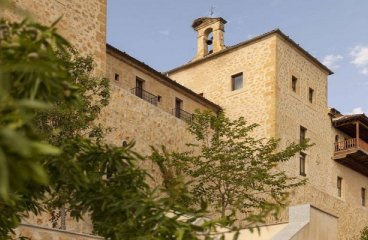
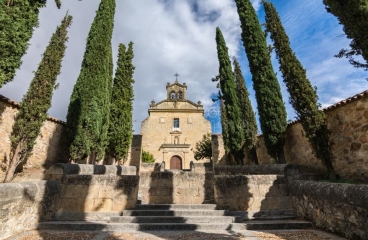
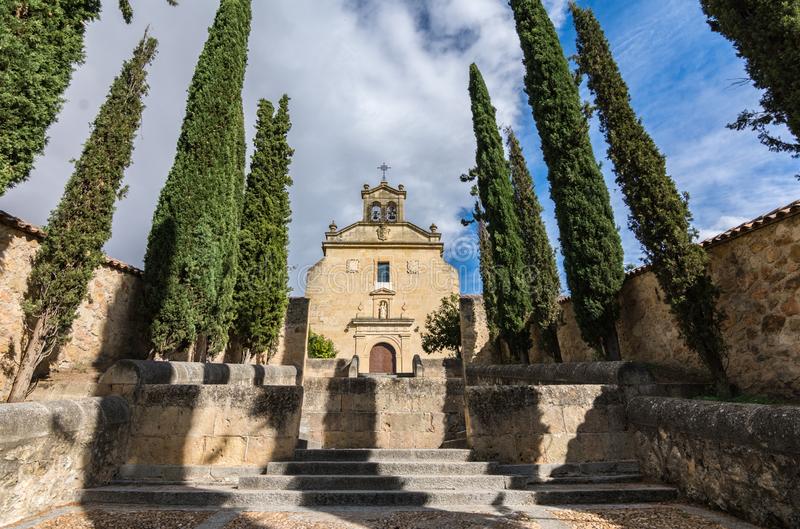
16th century. Founded in 1586 by St. John of the Cross, who helped build it with his own hands. It contains his sepulchre, which was visited by Pope Saint John Paul II in 1982. A cypress tree, believ...
15th century. Hyeronimite order. Founded by Henry IV. The structure has one nave and a polygonal chancel. A Plateresque tower was built by Juan Campero. Some side chapels were built in between buttres...
15th-19th centuries. Founded on the occasion of St. Francis’s visit to the Spanish peninsula, around 1220. Built on the old parish church of St. Benedict´s, it still has the Gothic, Isabelino cloister...