
Imagen de cabecera

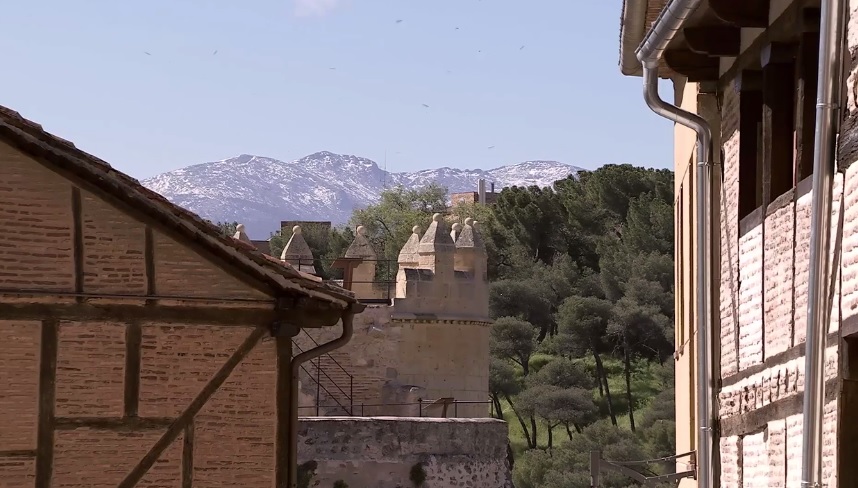
The silhouette of the mountain known as the Dead Woman cuts a striking figure against the sky, the result of a geological whim that has been interpreted through the prism of popular folklore and legend.

One legend says that the mountain was formed when a maiden died whilst waiting for a knight who never returned from war.

Another arose following a mother’s sacrifice to stop a fight between her sons.

According to a third legend, a storm shaped the mountains in the image and likeness of a lady who died trying to stop the duel between two men fighting over their beloved.
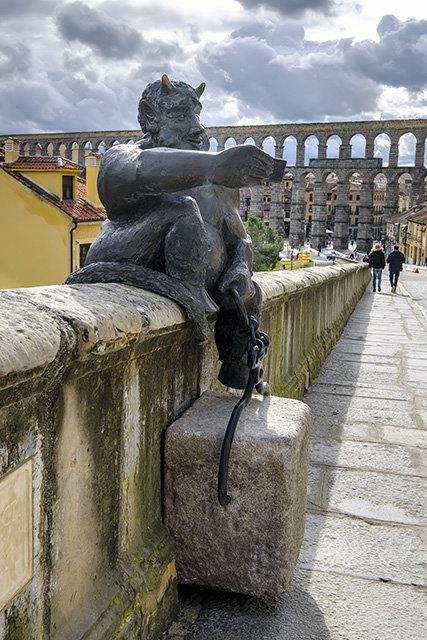
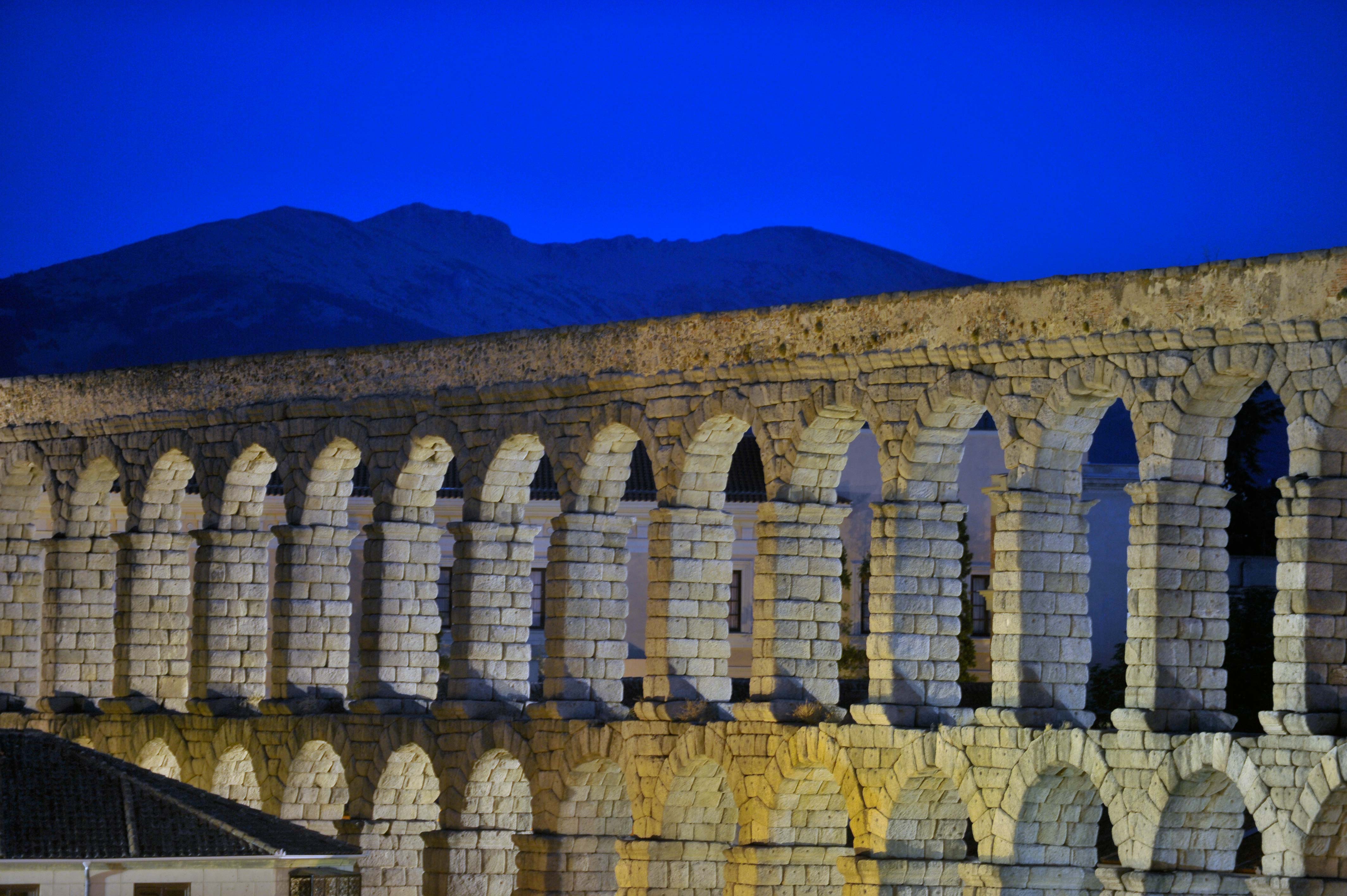
According to legend, it was laziness, not Rome, that gave birth to the Aqueduct. A young water-carrier, tired of dragging her jug up the city’s steep streets, made a pact with the devil: he could claim her soul if, before the cock crowed, the water reached her front door. Aware of her guilt, the young woman prayed fervently to save her soul. Meanwhile, a storm raged and the little devil worked tirelessly. Just as the cock crowed, the Devil let out a terrifying scream: he had lost the girl’s soul because of a single stone that had not been laid.

She confessed her guilt to the people of Segovia, who, after cleansing the arches with holy water to remove the trace of sulphur, joyfully accepted the city’s new skyline. It is said that the visible holes in the stones are the imprints of the devil’s hooves. Today, the city pays tribute to this beautiful legend with the sculpture of the little devil of Segovia, the ‘true’ architect of the Aqueduct. This work, created by José Antonio Abella, depicts the defeated devil holding the last stone of the Aqueduct that he had yet to place, posing for a selfie with his unfinished work. The sculpture is located on Calle San Juan, from where you can enjoy one of the best views of the two-thousand-year-old Aqueduct.

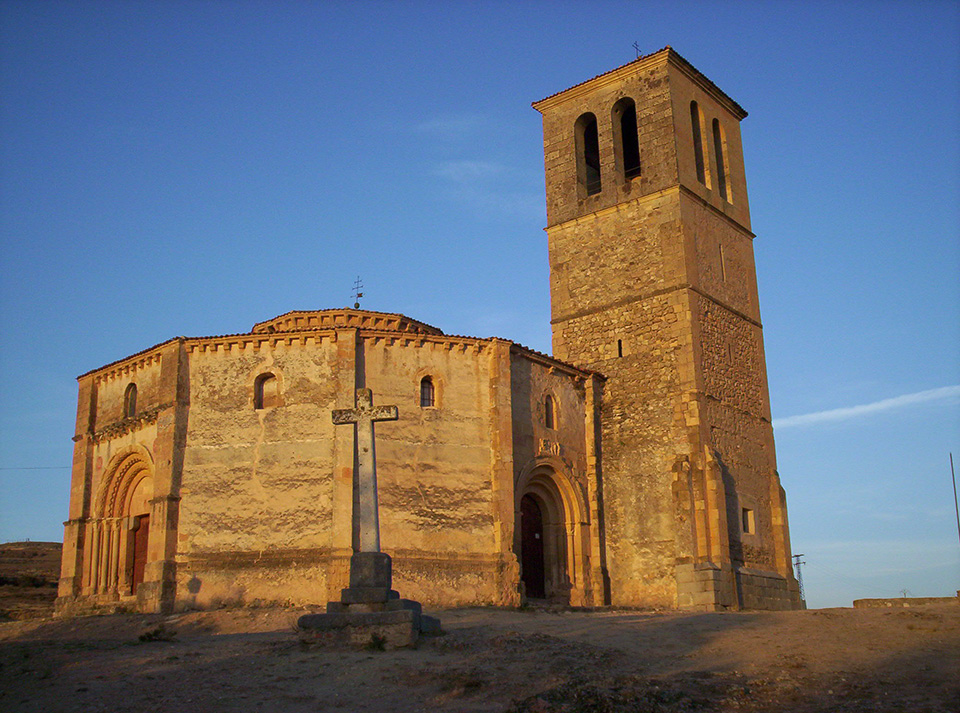
According to legend, during the wake of a knight of the order, the warrior’s body was left unattended due to an oversight by his companions. Without anyone noticing, he was attacked by rooks, which devoured his corpse. Enraged, the prior cursed these birds, forbidding them from approaching or entering the church. Since then, no rooks have been seen in the Church of La Vera Cruz.

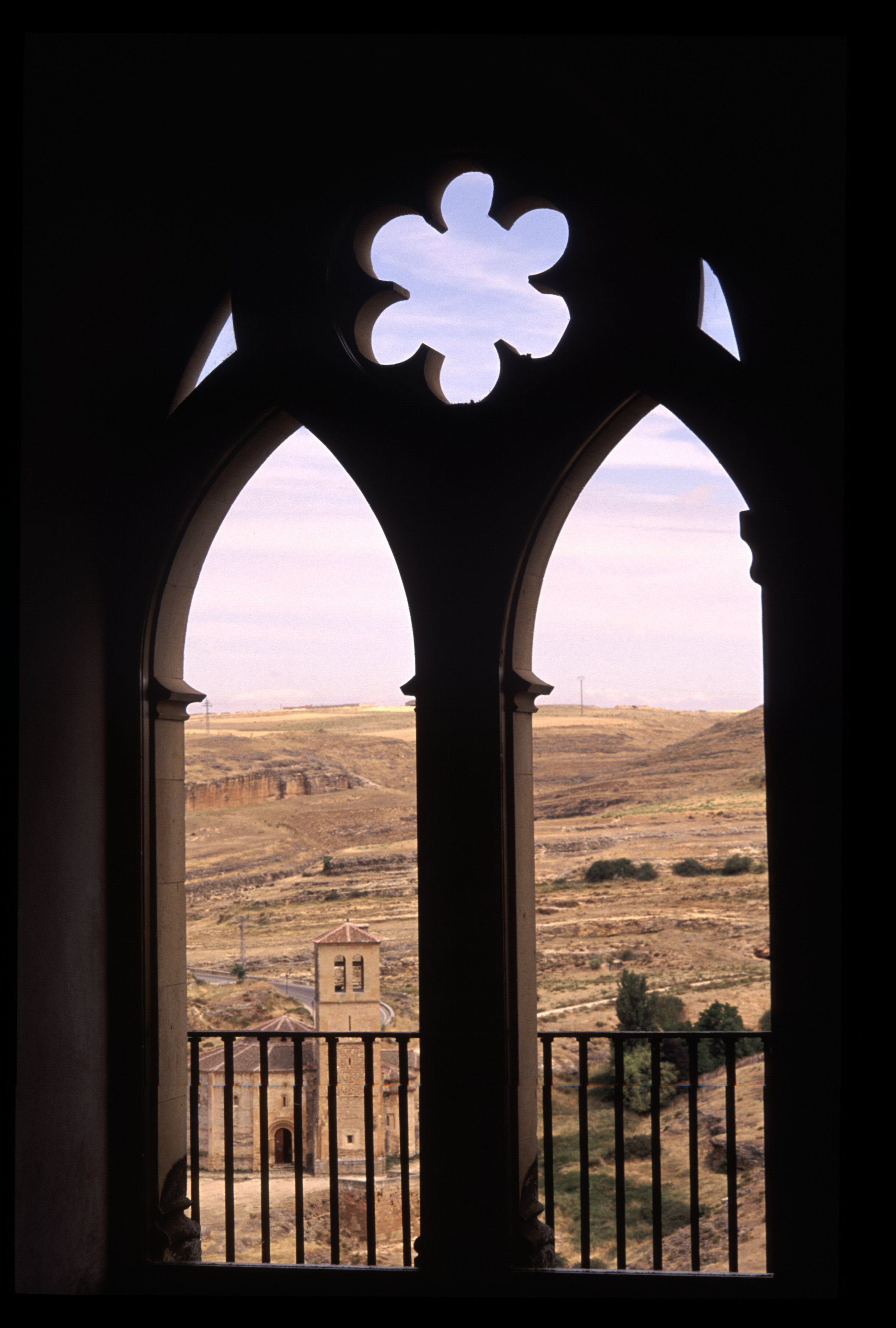
On the central balcony of the Hall of the Kings in the Alcázar of Segovia stands a cross that commemorates an event about which two versions have circulated over the centuries. The more legendary version tells that the Infante Don Pedro of Castile, son of Henry II ‘the Merciful’, was on the balcony in the arms of his nanny when he slipped and fell into the void. In a panic, the nanny threw herself after him.

On the other hand, the historical version maintains that the Infante, aged just 12, fell whilst playing ball with his friends.

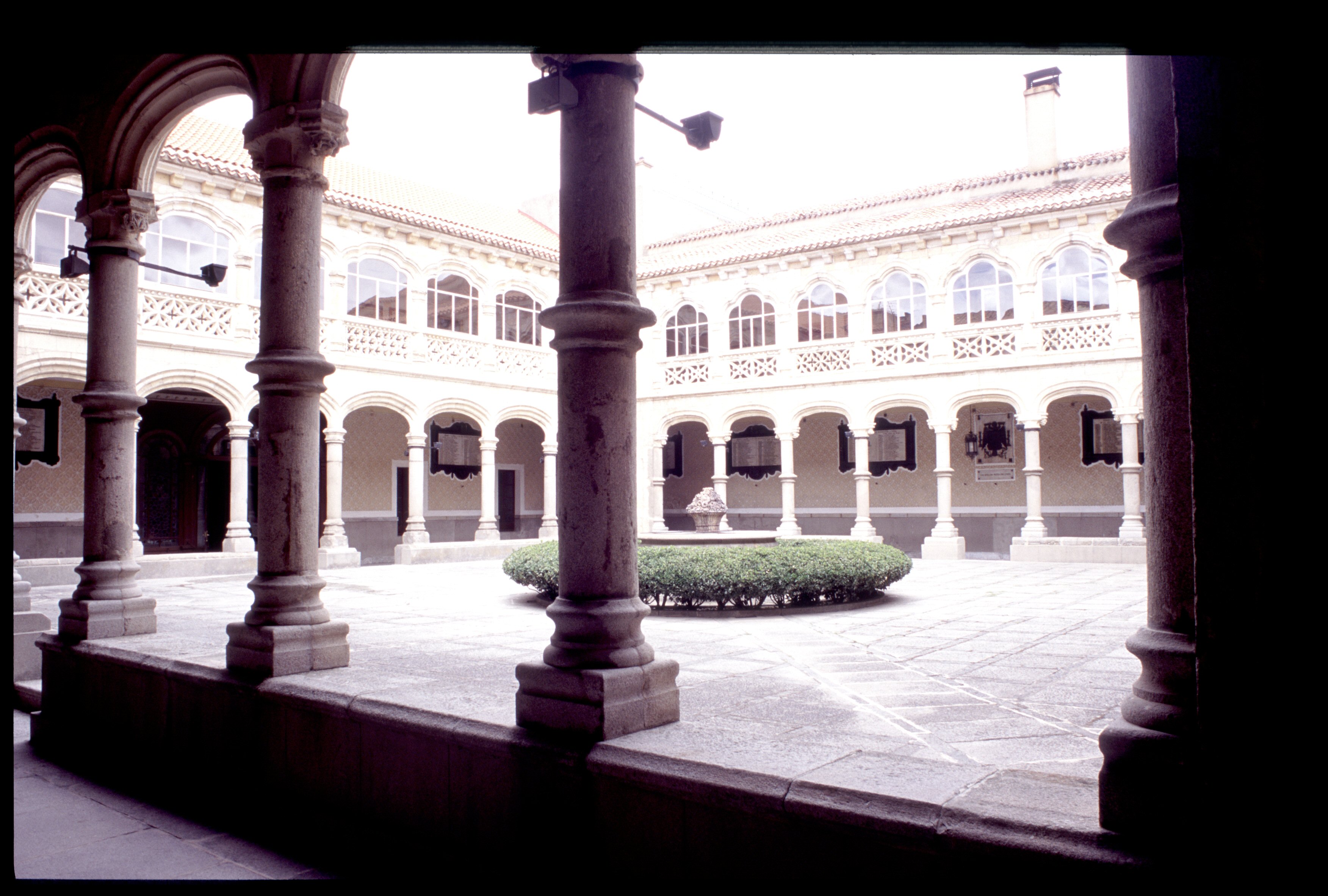
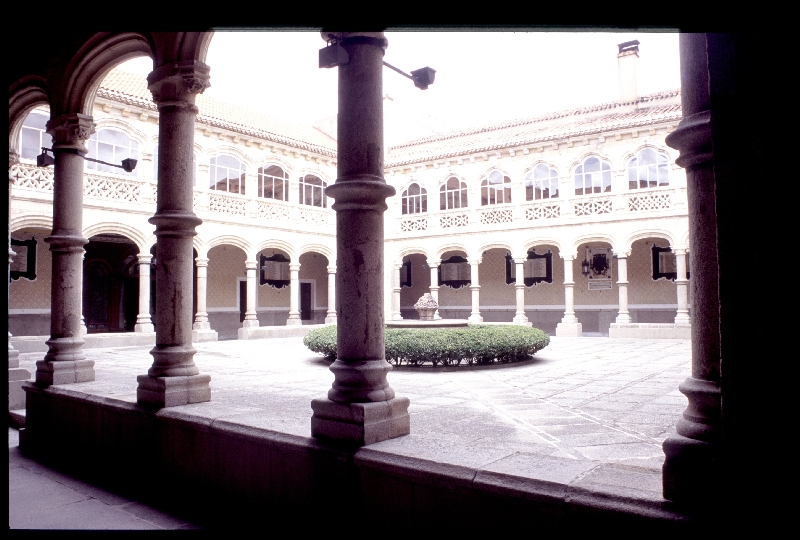
Housed in the former Convent of San Francisco, this institution has not been immune to rumours about its unusual “ghostly” inhabitants. According to legend, the figure of a friar “clad in a habit and wearing a hood” can sometimes be seen wandering the corridors, particularly near a wall in the cloister. Several witnesses, including some senior military officers, have claimed to have seen him; they all agree in describing him as a “dark and swift” figure, who seems to levitate above the ground, enveloped in a strong, cold wind.

The story goes that this ghost is that of a young friar who lived within these walls during the Middle Ages. On one occasion, he left the monastery without permission and, whilst attempting to return, was discovered by an older friar. The confrontation resulted in the elder’s death. As punishment, the young friar was walled up alive in one of the cloister walls to serve as an example to his community. Years later, during renovation work in the cloister, it is said that human remains were found, although this has never been confirmed.

Today, those who recount this event claim that the friar continues to search for a way out in the cloister of the former Convent of San Francisco.

Friar Rodrigo de Cerrato was a Dominican friar known today as a chronicler and hagiographer for his work, in which he compiled various biographies of saints, recorded a number of miraculous events and commented on various moments in the liturgical year. Among the Marian themes addressed by the Dominican was the miracle of the Jewish woman who was saved in Segovia thanks to the intervention of the Virgin Mary.

As he himself recounts, around 1237, a Christian woman accused a Jewish woman of having committed adultery with her husband. The judges, considering the gravity of the crime and the necessary atonement for the Christian faith, sentenced the accused to death by being thrown from a cliff on the outskirts of the city. Upon reaching the place of execution, the Jewish woman was bound and stripped of her clothes... YOU CAN CONTINUE READING HERE.


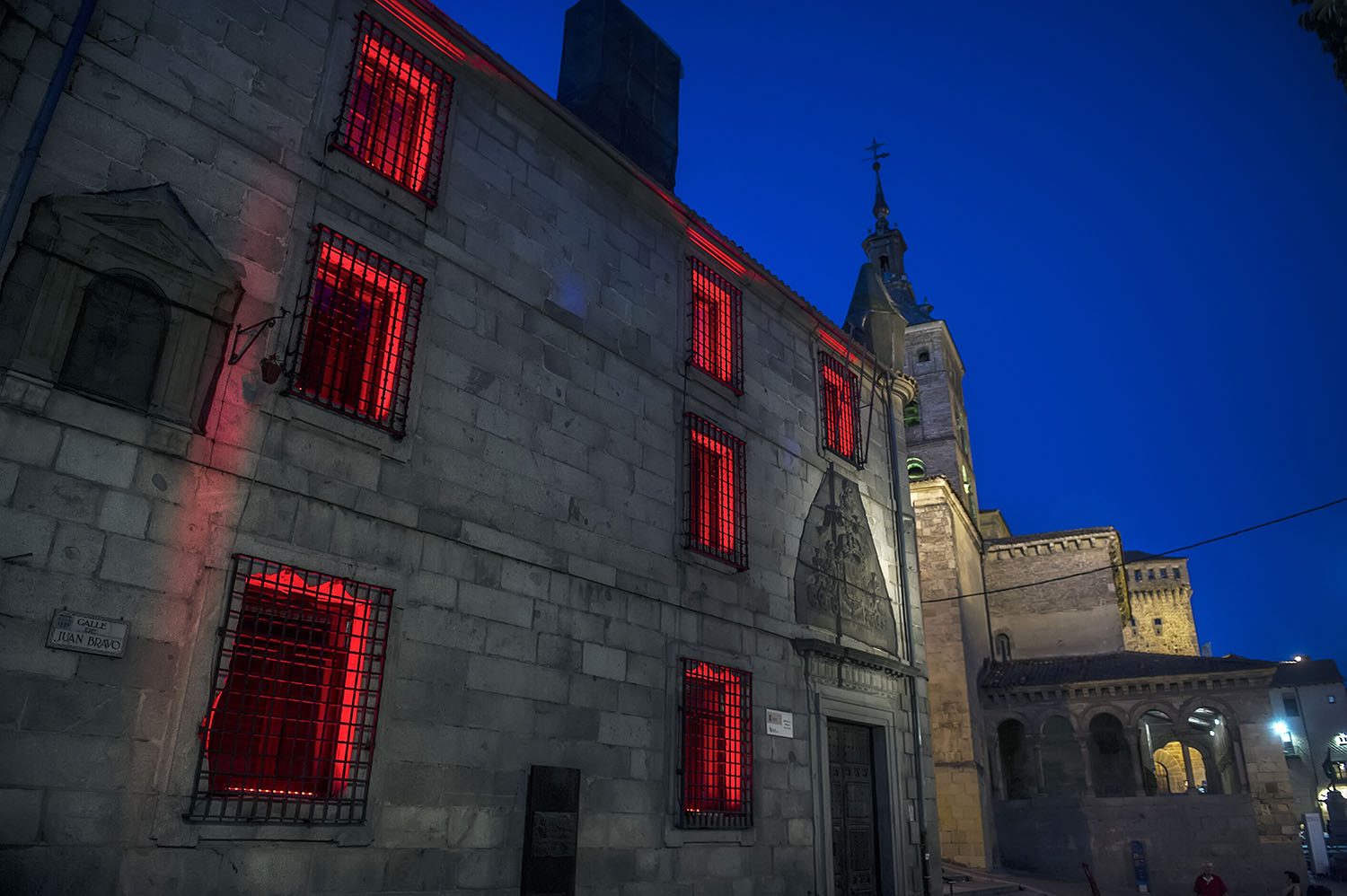
The House of Crime, located in the San Millán neighbourhood—also known as the ‘Witches’ Quarter’—is a building with a dark history. Its name derives from a tragic event that took place in May 1892, when three thieves broke into the mansion built by the Ayala-Berganza family in the late 15th or early 16th century.

During the robbery, they murdered the two occupants of the house: Alejandro Bahín, of French origin, and his maid, Isabel García.

It is said that Alejandro was attacked on the stairs; his body was found with his face covered in blood and a handkerchief, whilst his fingernails bore traces of lime, evidence of the struggle.

Isabel’s body was found not far from the scene.

Years later, the police managed to capture the culprits, who were executed, thus bringing this tragic chapter to a close. Since then, the House of Crime remained uninhabited for much of the time until it was renovated and reopened as the Hotel Ayala Berganza.

This curious legend explains how they came to be: whilst a wealthy landowner was admiring his splendid harvest, a poor family arrived at the spot begging for alms; the rich man gave them nothing, replying that the piles they saw there were merely earth. One of the poor men asked that the piles be turned into earth because of the lack of charity, and so it came to pass. Such was the rich man’s distress that he died of grief.