An ancient legend tells that, many centuries ago, some Gascon and German men found an image of Christ in the tomb, buried on an estate situated on the border between Spain and France, accompanied by a small bell. Eager to venerate it, its discoverers argued over who should keep it, until they decided to let divine will determine its fate.
To this end, they placed the bell around the neck of a mare and loaded the sacred image onto the animal. They decided that the place where the mare came to a halt would be the one chosen by the Holy Christ to be worshipped.
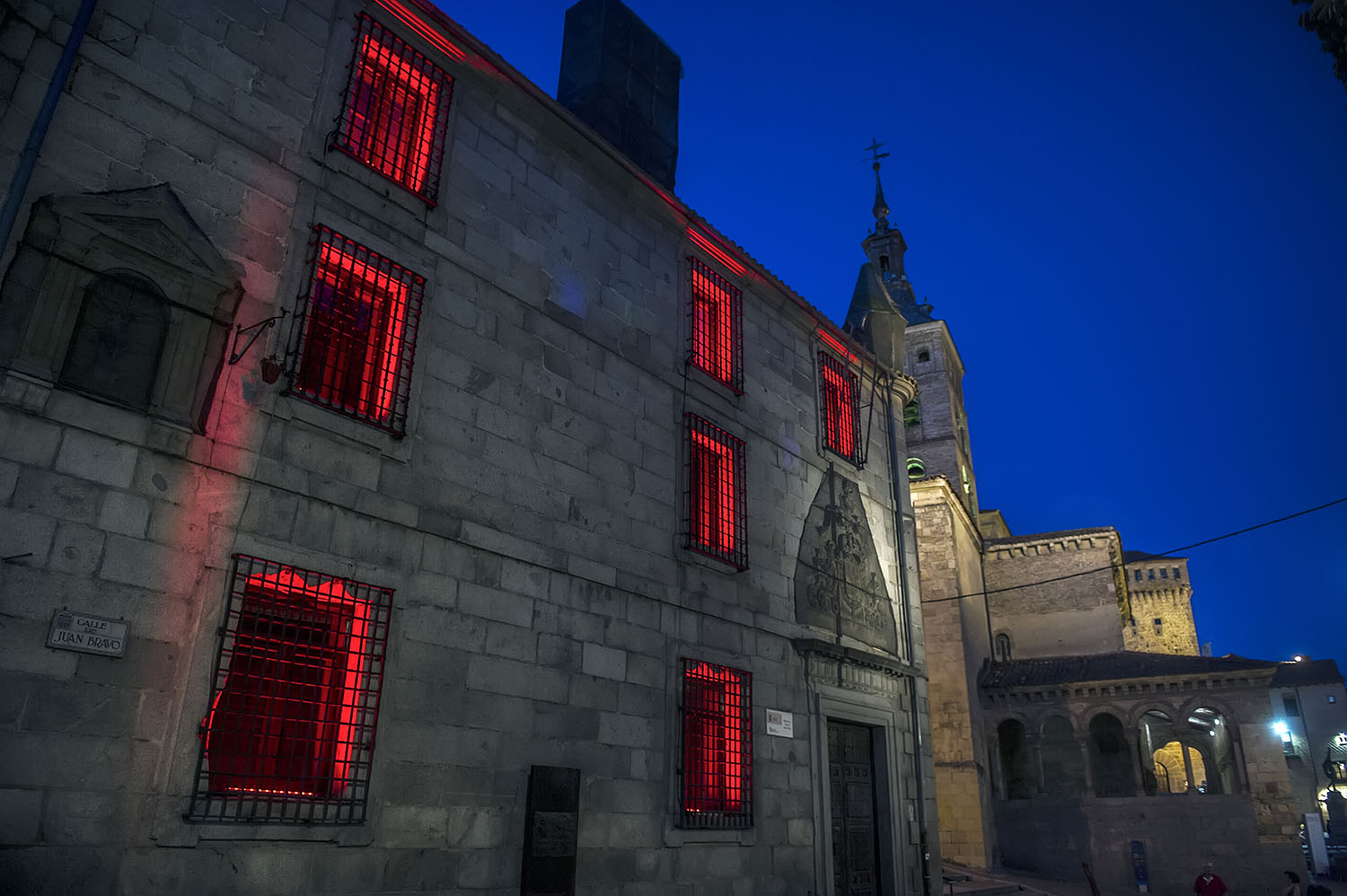
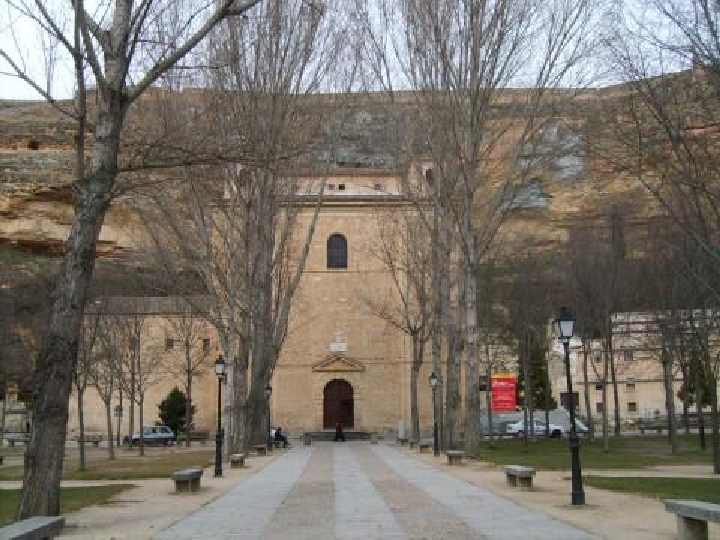
After a long journey, the mare arrived in Segovia and crossed the city until she reached the church of San Justo, which was then a small chapel. There she stopped and, according to one version of the legend, collapsed and died from exhaustion; another version recounts that she entered the church, left the statue beside a bench and died after setting down her precious cargo.
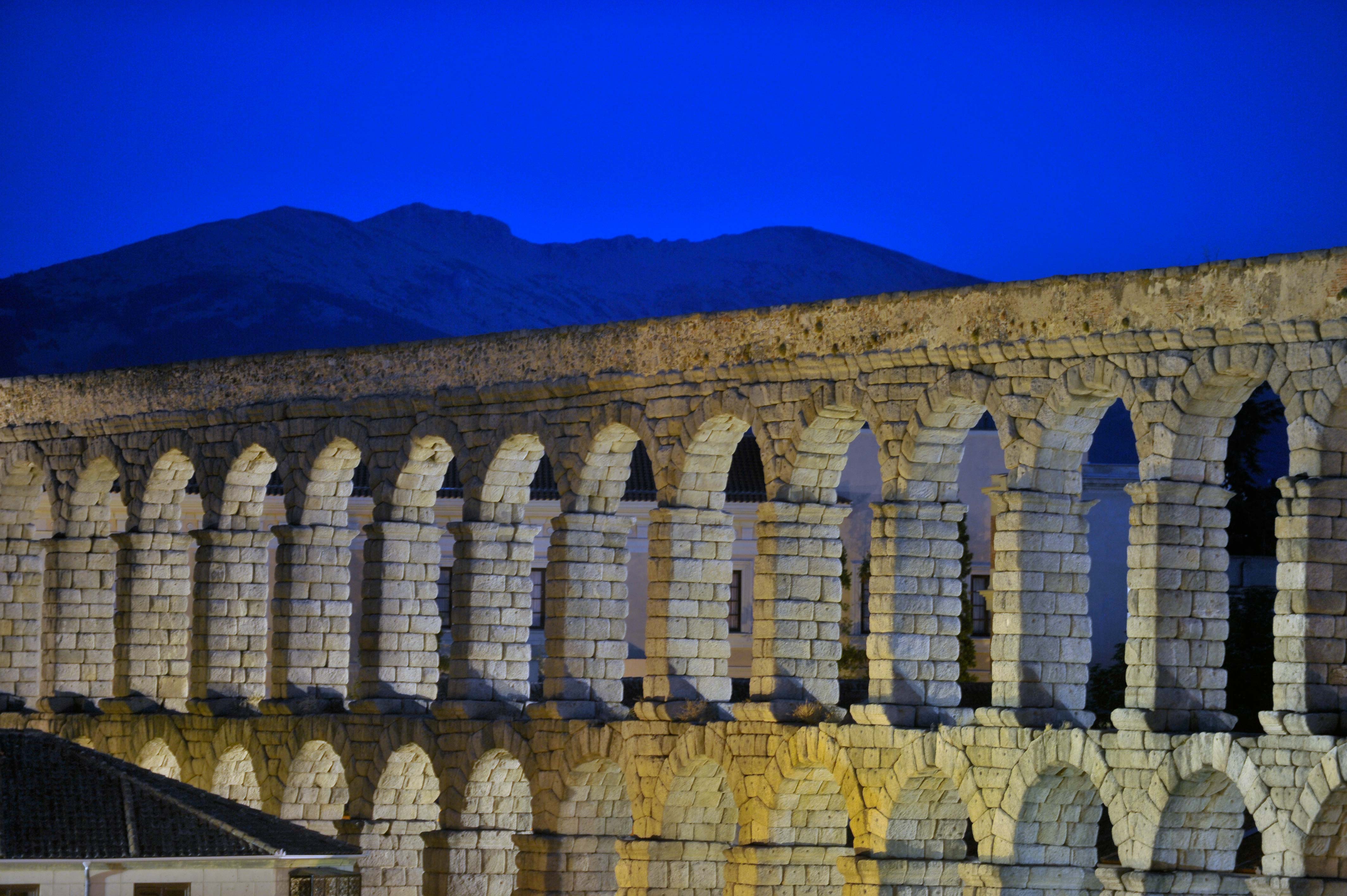
The travellers interpreted this event as a divine sign and realised that Christ had chosen that place to remain. The Gascon and German settlers then decided to settle in Segovia to look after the statue. The Gascon people settled in the vicinity of the church, in the Azoguejo area, giving their name to the former Calle de los Gascones, now Calle de Gascos. The Germans, for their part, settled on the other side, next to a stream that came to be known as Arroyo Alemán.
Since then, the image has been associated with the church of San Justo, where it has been the object of deep popular devotion. Among the most memorable episodes is the so-called ‘Year of the Miracle’ in 1683, when, following a prolonged drought, the people of Segovia carried the Christ out in a procession to pray for rain. According to tradition, the rain came and was so heavy that it even made it difficult to return the image to the church.
Thus was born one of Segovia’s most deeply rooted religious legends, which explains the origin of the devotion to the Santo Cristo de los Gascones, a highly venerated image and the centrepiece of one of the most unique traditions in the city’s historical and religious heritage.