The Segovia Democratic Memorial Prison
HISTORY OF THE PRISON
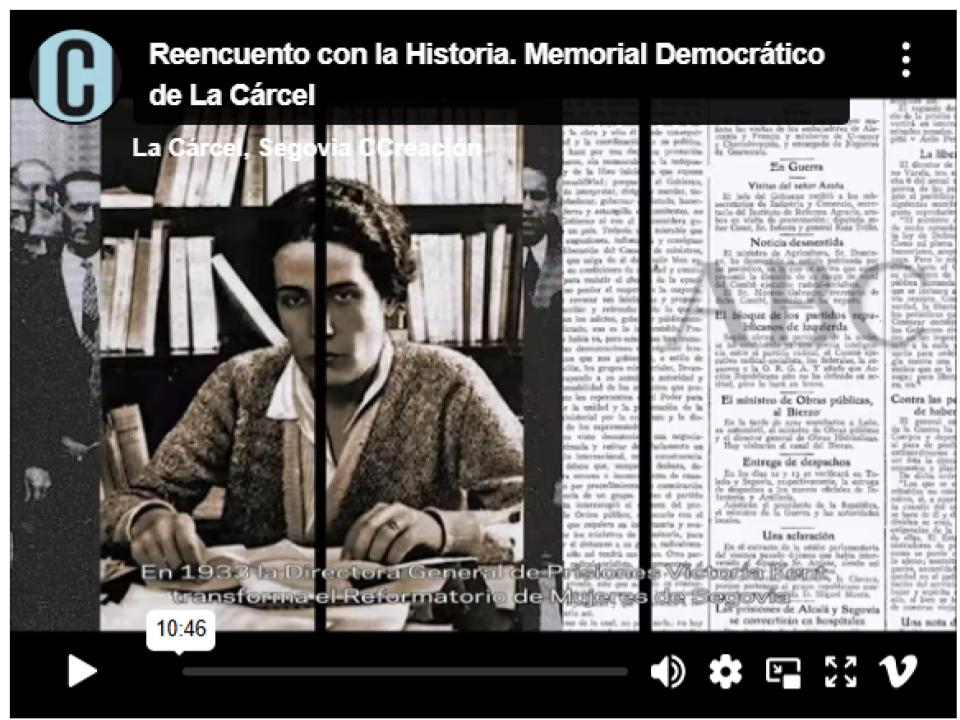
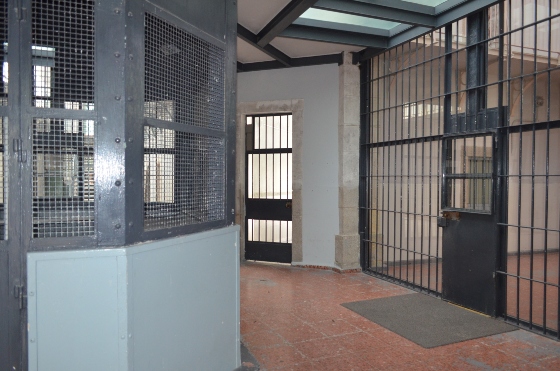
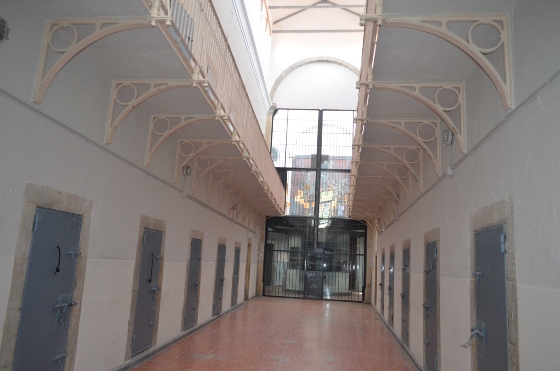
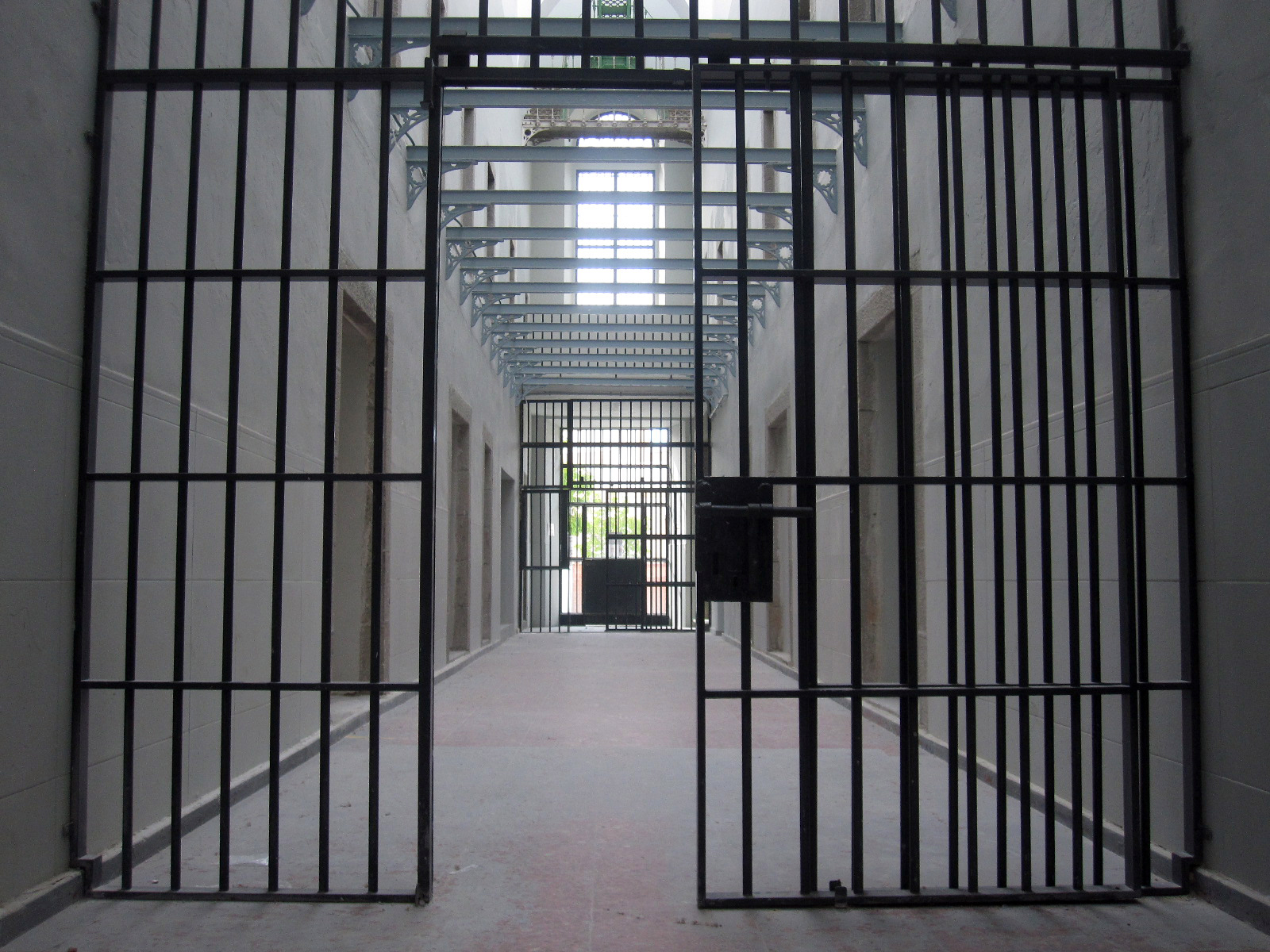
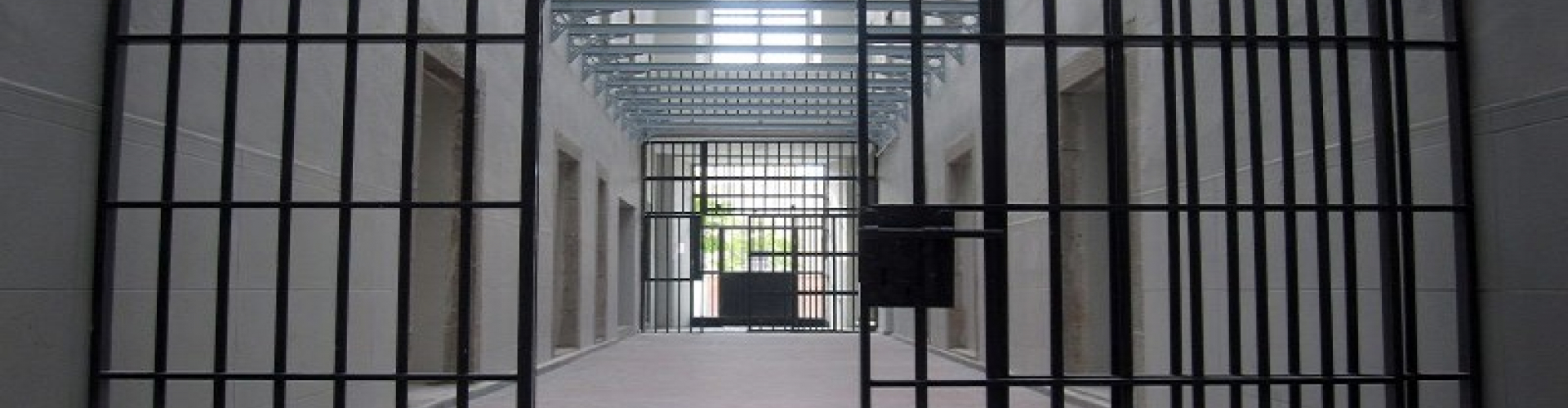
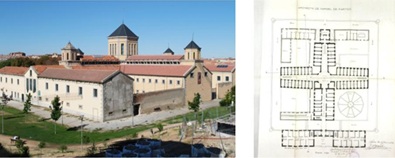
In 1924, the Women’s Reformatory was opened, marking the building’s first use; it was designed by Segovia’s municipal architect, Joaquín Odriozola. As part of the Republican prison policy spearheaded by the Director-General of Prisons, Victoria Kent, it was converted in 1933 into a modern Penitentiary Hospital and Asylum for men. Following the military uprising by the Segovia garrison on 19 July 1936, the facility became overcrowded with political prisoners. During the war, the prison population of the Asylum Hospital never fell below 500 inmates. It was known as the Anti-Tuberculosis Prison Sanatorium between September 1941 and 1943, when it was converted into the Women’s Anti-Tuberculosis Prison Sanatorium and received its first sick female prisoners. It was not until 1946 that the Segovia Central Women’s Prison was established, remaining in operation until its closure in 1956. It was then that the building returned to its original purpose: a Women’s Reformatory, but now for ‘fallen women’, a term used to categorise those detained for ‘offences related to prostitution’. This was the only period, since 1936, in which there were no political prisoners in the building. In May 1969, with the creation of the First-Class Ordinary Penitentiary Centre for Convicted Offenders – as political prisoners were referred to in the late Franco era – they returned, remaining there until the end of the dictatorship. Finally, the building ceased to be used as a prison in 2000, with the opening of the new Segovia Prison a few kilometres from the city.
SEGOVIA DEMOCRATIC MEMORIAL
The Segovia Democratic Memorial, housed in the former Segovia prison, features a permanent exhibition in several of its cells entitled Franco’s Prisons (1936–1977), which is unique in Spain in its explanation of the prison system throughout the dictatorship. It is not merely its uniqueness that gives it this significance, but the fact that it transcends provincial geographical boundaries, as during the dictatorship this prison was a prominent place of confinement for female prisoners (1946–1956) and male prisoners (1969–1977) from a wide variety of backgrounds. Among others, María Salvo, Juana Doña, Manolita del Arco and Tomasa Cuevas, as well as Marcelino Camacho, Pere Ardiaca and Gerardo Iglesias, were imprisoned in Segovia...
THE ORIGINS OF THE DEMOCRATIC MEMORIAL
The exhibition is housed in cells that formed part of the former prison – which remained in use until the year 2000 – and was transformed into the cultural centre La Cárcel_Segovia Centro de Creación in 2010. In parallel with the building’s conversion, the Segovia Forum for Memory had requested that the City Council establish a Democratic Memorial within the former prison’s premises. This request was channelled by the Izquierda Unida municipal group through a motion aimed at honouring the male and female prisoners who suffered under Franco’s repression and at educating the public about the building’s recent historical context. The proposal was approved at a City Council plenary session in 2016 during the PSOE administration.
The first phase – comprising four cells – was inaugurated in 2019 with the collaboration of the Directorate-General for Historical Memory of the Ministry of Justice. The second phase – with five new cells – was promoted by the IU Department of Democratic Memory and approved by the PSOE-IU coalition government in 2023. Work on the expansion of the Memorial was completed at the end of that same year, by which time the PP was in charge of the municipal government.
PERMANENT EXHIBITION THE FRANCO-ERA PRISON 1936–1939
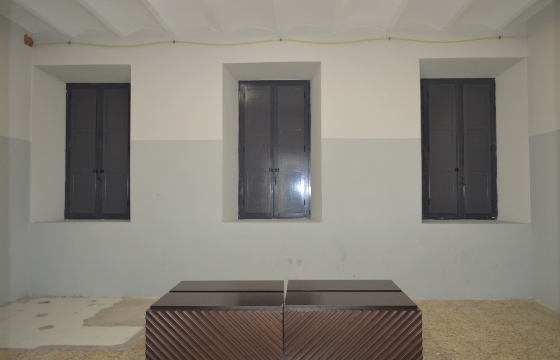
The exhibition is spread across nine cells. Two of these are artistic installations: Cell 2, based on a poem by Marcos Ana, and Cell 7, set in 1939. The remaining seven contain historical and educational displays.
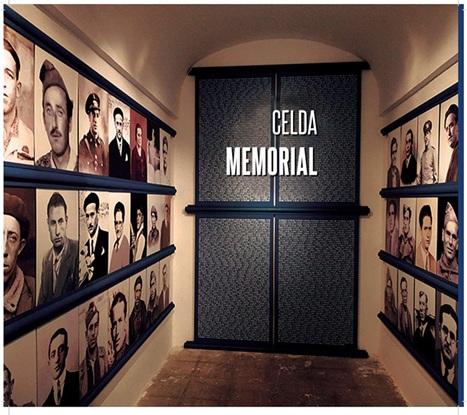
1. MEMORIAL CELL
On the front panel are the names of the nearly three thousand men and women from Segovia imprisoned between 1936 and 1946 anywhere in Francoist Spain, whether in prisons, concentration camps, penal colonies and detachments, or labour battalions… as explained in the ‘Captivity’ cell. The list includes more than four hundred victims who were executed or died of illness during their captivity. The fifty or so individual photographs on the side walls represent all those who suffered reprisals.
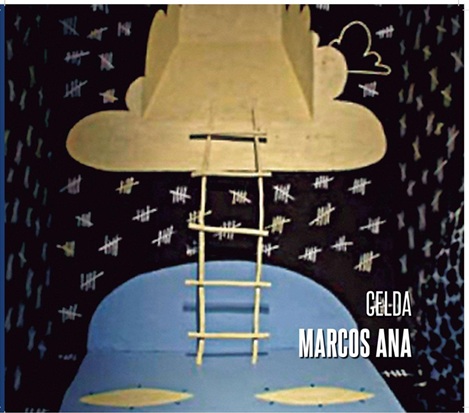
2. MARCOS ANA CELL
Gonzalo Moca’s artwork is inspired by a poem by Fernando Macarro, known as Marcos Ana (1920–2016), the political prisoner who spent the longest continuous period in Franco’s prisons: 23 years. There, he first became an avid reader and later a poet. He was not imprisoned in Segovia, but he is an example of the struggle for freedom and the democratic reconciliation proposed by the PCE as early as 1956.
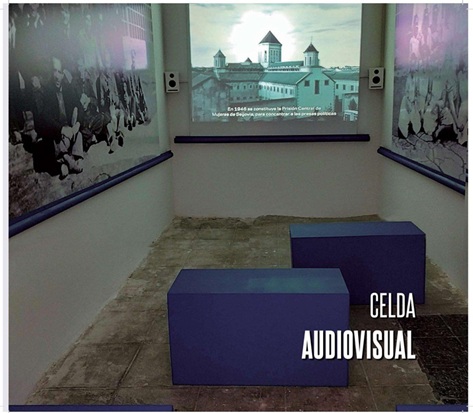
3. AUDIOVISUAL ROOM
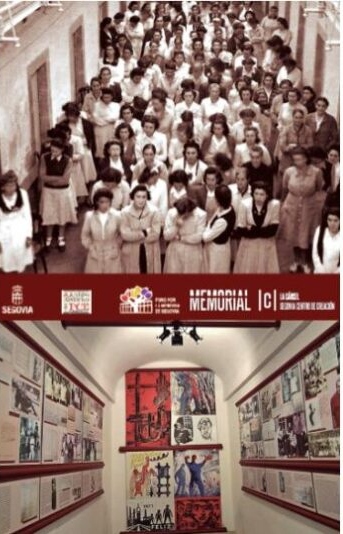
Amidst a series of life-size group photographs of male and female prisoners in the prison yard, a short documentary is screened that tells the story of Segovia Prison: Reencuentro con la historia.
Among the images representing those who were imprisoned in the building, the brothers Isidro and Silverio Revenga can be identified; they were workers from Valsaín who crossed the mountains to defend the Republic and were captured at the end of the war. Among the women are Concepción Aguilera and Palmira San Juan, who, upon their release, started families with two former prisoners: Isidro Revenga and Juan Misis, respectively.
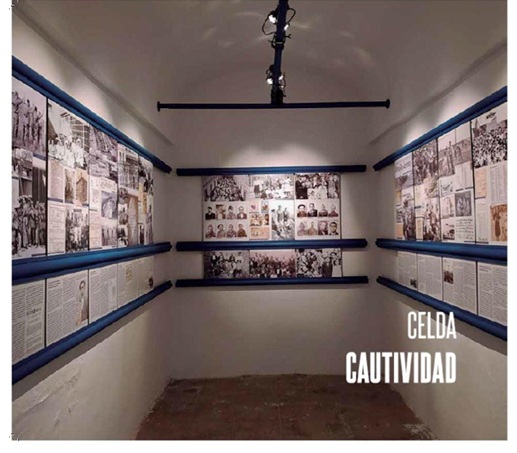
4. CAPTIVITY CELL
This section explains all the different types of detention facilities within Franco’s prison system, from the military rebellion of July 1936 through to the immediate post-war period: jails, converted prisons, concentration camps, labour battalions, penal colonies and prison detachments. To subdue the massive opposition to the coup, its ideologue, General Mola, had already stated in April: “The repression must be extremely violent because the enemy is strong and well organised”, as he was aware that he would be facing the Popular Front, which had triumphed in the parliamentary elections in February and was supported by the UGT and CNT trade unions, which together had over three million members. The anticipated and planned repression manifested itself in tens of thousands of indiscriminate executions and the mass imprisonment of defenders of democratic legality, who immediately filled the prisons to capacity. Whilst all places of captivity are covered, particular focus is placed on the province of Segovia and on the people of Segovia who were imprisoned anywhere in Spain.
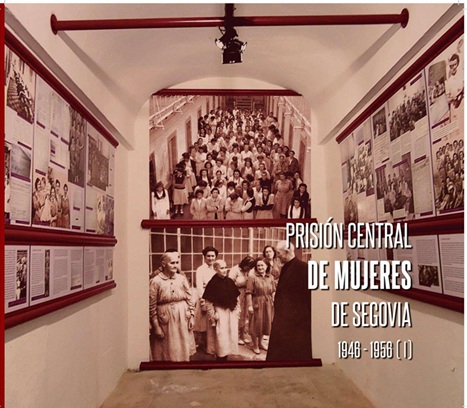
CELLS 5 AND 6: SEGOVIA CENTRAL WOMEN’S PRISON (1946–1956)
For female political prisoners, this prison was as significant as the Burgos prison was for male prisoners, as prominent activists from a wide range of regions (Asturias, the Canary Islands, the Basque Country, Catalonia…) came here to serve their sentences. Twelve display panels explore the conditions of life: food, hygiene, health, forced labour, political and religious coercion, but also the internal organisation of prisoners, which ranged from literacy classes to courses on history or Marxism, clandestine political activity, banned books and acts of resistance such as the 1949 hunger strike.
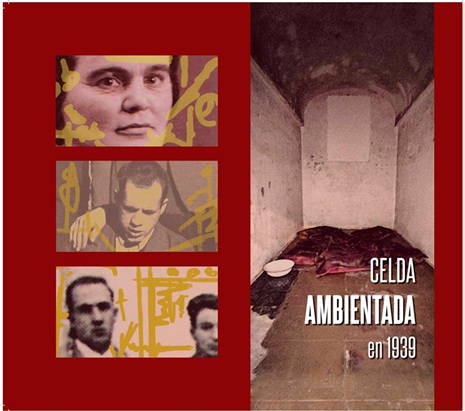
7. CELL RECREATED AS IT WAS IN 1939
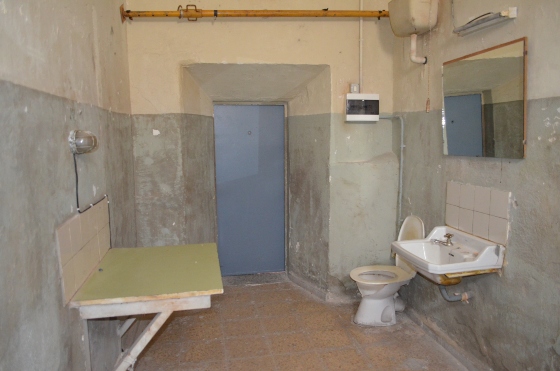
This cell illustrates what the living quarters were like during the war, when three to five prisoners were crammed into them. There were no beds, no toilets and no running water. Everyone slept on the floor, most on a sack filled with straw, a few on a mattress brought from home. A washbasin was their only source of water, and a bucket or metal tin was used to collect waste until they left the cell in the morning. It features a projection showing images of the prisoners who served their sentences in these cells.
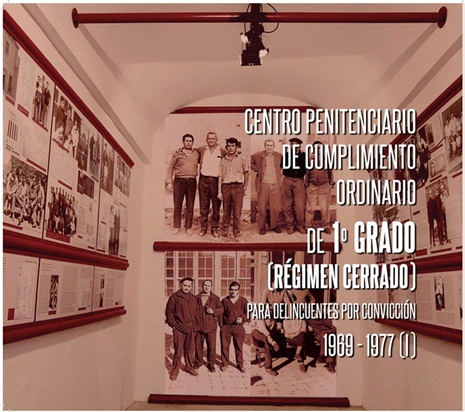
CELLS 8 AND 9. FIRST-CLASS ORDINARY SENTENCE PRISON (CLOSED REGIME) FOR CONVICTED CRIMINALS (1969–1976)
In the late Franco era, the dictatorship still did not acknowledge the existence of political prisoners, hence the term ‘convicted criminals’. As in the case of the Central Prison, prominent political prisoners from all over the country (Andalusia, Asturias, the Canary Islands, the Basque Country, Catalonia…) were sent to Segovia to serve their sentences. Similarly, a dozen panels explore living conditions and the struggle against the dictatorship, including the numerous strikes, sit-ins and all manner of protest actions. The panels feature reproductions of various murals and prints, as several artists, such as Tony Gallardo and José Sandoval, were imprisoned.
CURATOR OF THE PERMANENT EXHIBITION
Santiago Vega Sombría
TEXTS AND DOCUMENTATION
Juan Carlos García Funes and Santiago Vega Sombría
GRAPHIC DESIGN
Christian Hugo Martín
Opening hours
- Visits by appointment only at reservas@turismodesegovia.com or by telephone on 921 46 67 21
Documentaries
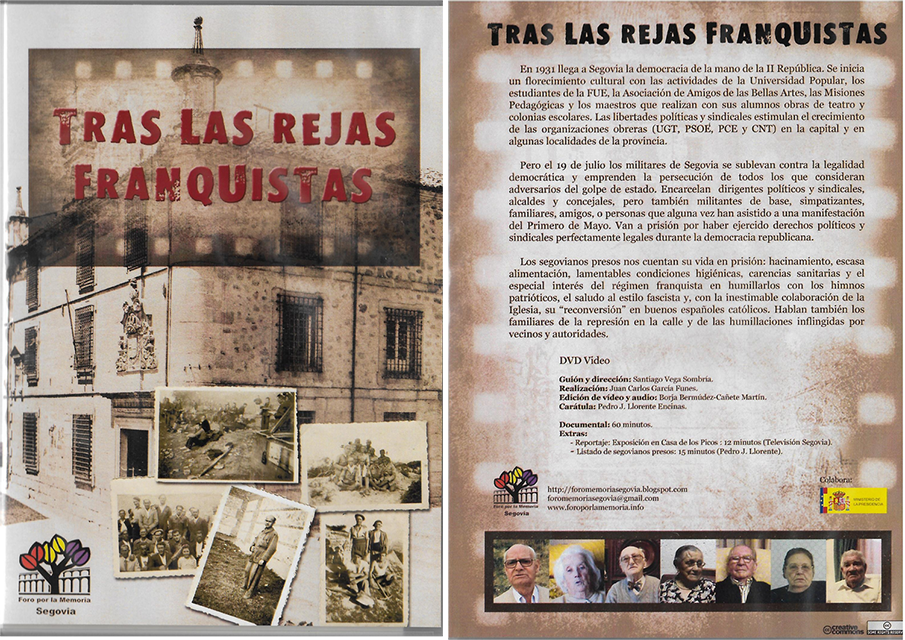
"Tras las rejas franquistas"
"Memorial democrático de la Cárcel"