How it was made

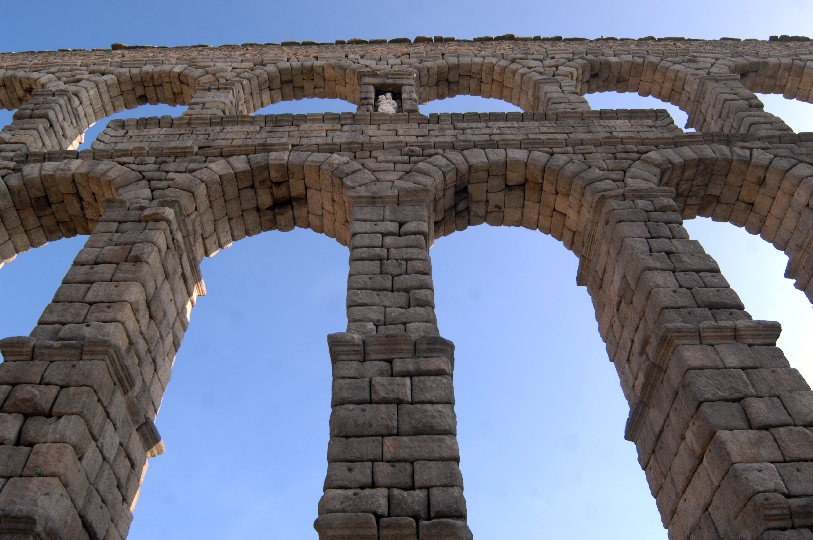
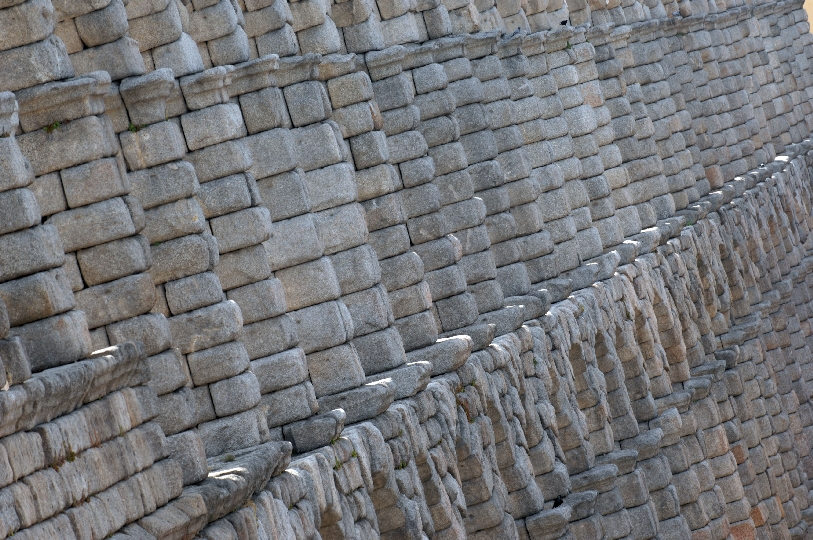
To build it, the Romans used sturdy scaffolding to support the formwork, onto which the arch segments were fitted; the central stone of each arch, the keystone, had to be perfectly carved into a wedge shape in order to exert sufficient pressure.

Read More

Features and interesting facts

Its name derives from aqua (water) and ducere (to lead) and, whilst the exact date of its construction is unknown, experts date it to the 2nd century AD, after 112 AD (the end of Trajan’s reign or the beginning of Hadrian’s).

Read More

Layout

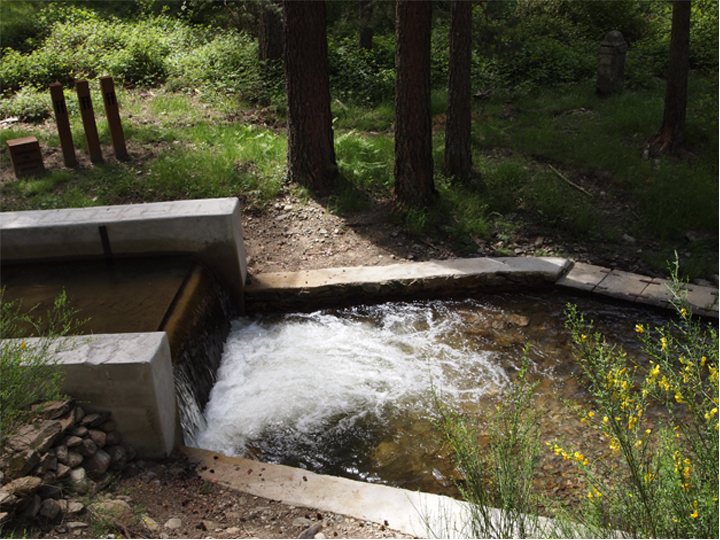
Historically, the Segovia Aqueduct is divided into distinct sections: the out-of-town section, where the water intake and part of the conveyance system are located; the peri-urban section; the urban section; the conveyance and distribution section; the monumental aerial aqueduct; and the underground canal.

Read More