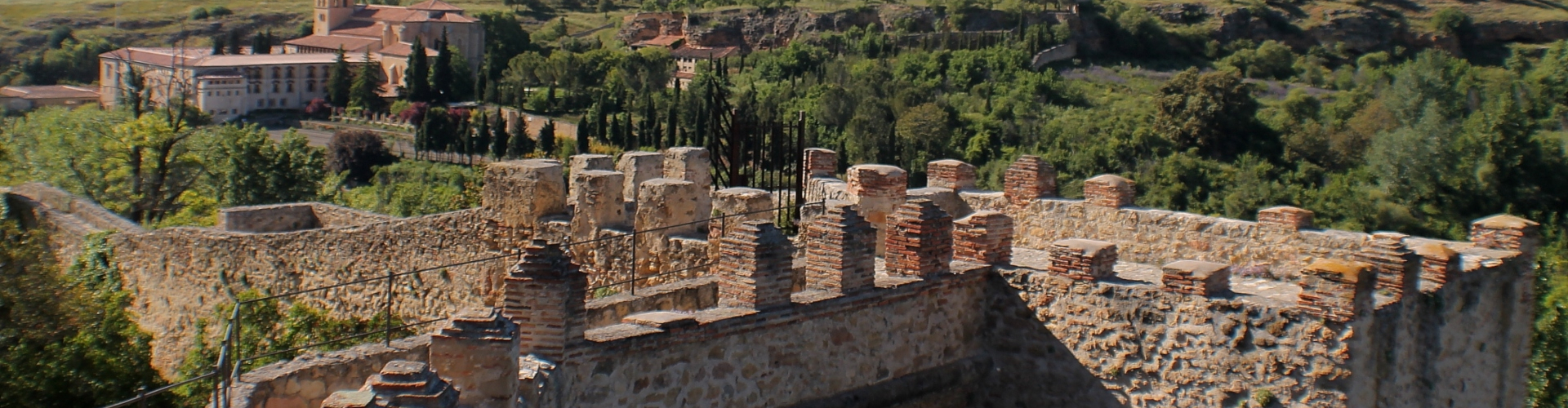


History of the Wall
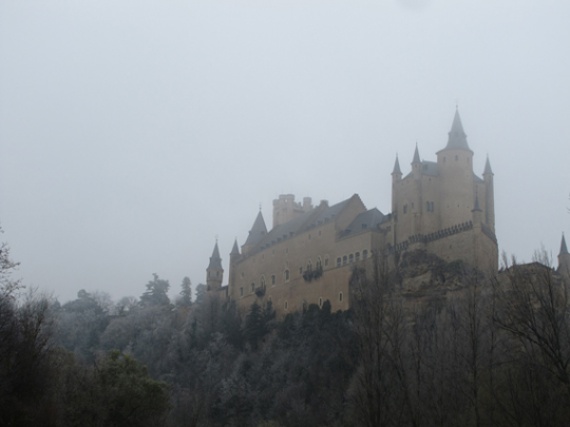
Segovia is located between the Clamores and Eresma rivers, on a plateau that is easily defensible, a factor that was exploited by its first settlers in Neolithic times. Later, the hill fort where the Alcázar now stands was occupied by various pre-Roman peoples, mainly Celtiberians.
After the crisis of the Roman Empire in the 2nd century, a process of walling took place throughout the imperial possessions, which is most likely the origin of the first layout of the wall.
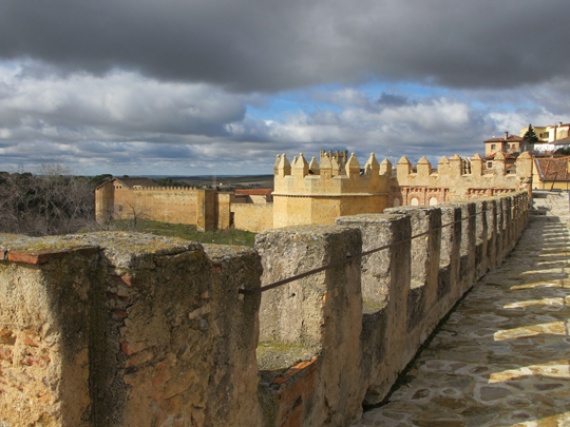
The Christian reconquest of Segovia was carried out by Alfonso VI in 1088. This mission involved strengthening the city's defences, for which he built a fence that closely resembles the one that has survived to this day in terms of its shape and layout.
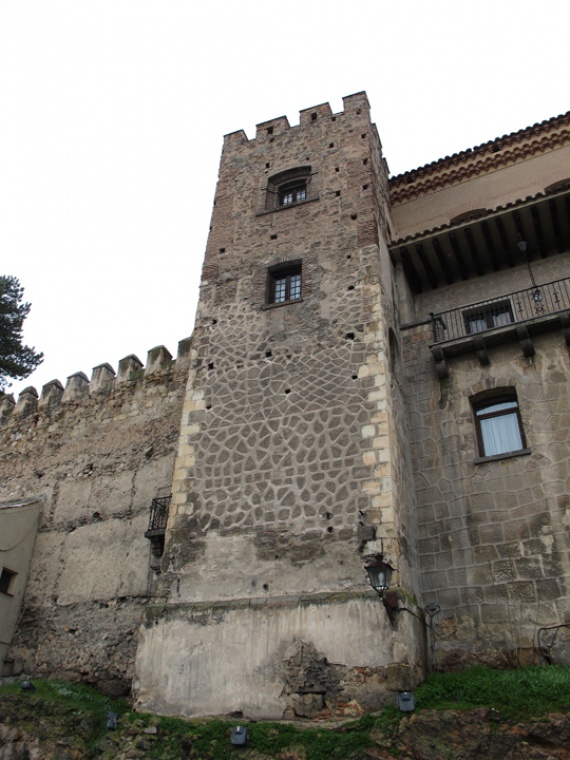
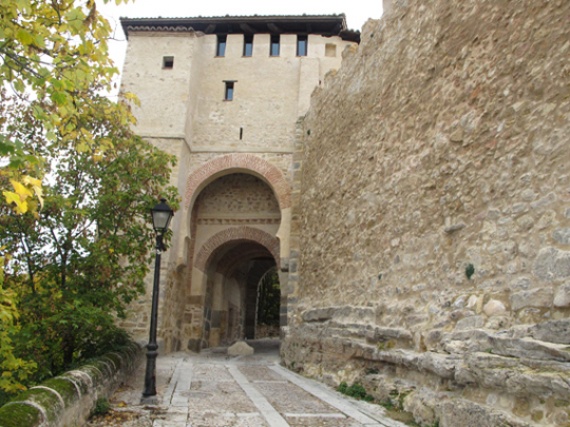
The loss of the wall's defensive value during the 16th century influenced the city's urban planning, as houses were built attached to it and even on top of it. From the 17th century onwards, the gates and their toll collection duties were abandoned. The wall then lost its defensive, symbolic and territorial value.
During the 19th century, the wall was considered an urban nuisance and its demolition served in some cases as a pretext for reducing worker unemployment.
The 20th century brought a change in mentality and with it, the need to preserve and value the wall became apparent. A continuous process of restoration and conservation began, which continues to this day.
In 1941, the entire old part of the city within the ancient walled enclosure was declared a Historic-Artistic Site. Finally, UNESCO declared the walled enclosure and its aqueduct a World Heritage Site.